
Autoflower vs Feminized Outdoor
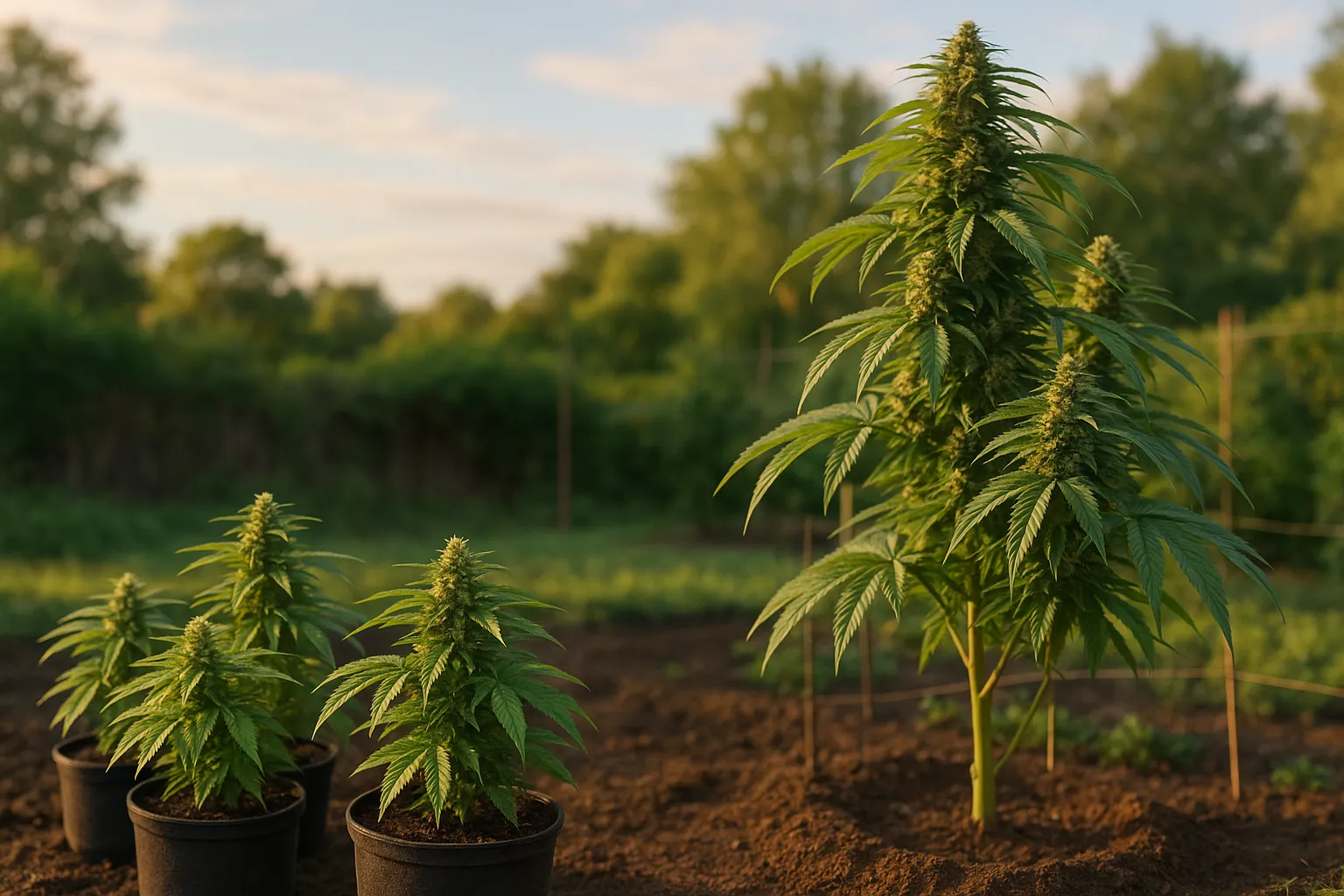
When planning an outdoor grow, the Autoflower vs Feminized Outdoor debate is one of the first decisions you must make. Both seed types can produce excellent harvests, but they behave very differently in terms of growth cycle, size, yield, and the level of care they require. Understanding these differences helps you match the genetics to your climate, schedule, and experience level.
What Are Autoflower Seeds?
Autoflowering seeds come from genetics that flower based on age rather than light cycle. They contain Cannabis ruderalis heritage, which allows them to start flowering automatically after a short vegetative phase, usually 3 to 5 weeks from germination.
Key characteristics of autoflowers include:
- Time-based flowering: No need to wait for days to get shorter; they bloom on their own.
- Fast life cycle: Commonly 9 to 12 weeks from seed to harvest outdoors.
- Compact size: Often smaller and more discreet, ideal for balconies or small gardens.
- Lower sensitivity to light leaks: Streetlights or garden lamps are less of a problem.
Because of their speed and simplicity, autoflower seeds are popular with beginners and growers in short-summer regions.
What Are Feminized Photoperiod Seeds?
Feminized seeds are bred to produce only female plants, which are the ones that develop resinous flowers. When we talk about feminized outdoor seeds, we usually mean feminized photoperiod strains that depend on changes in daylight to start flowering.
Features of feminized photoperiod seeds include:
- Light-dependent flowering: They begin blooming when days shorten, typically late summer outdoors.
- Longer season: Outdoor harvest is usually in late September to October, depending on latitude and strain.
- Larger plants and higher potential yield: With a long vegetative phase, plants can become very big.
- More training options: Topping, low-stress training, and scrogging work well due to their longer life cycle.
Feminized photoperiod strains are often preferred by experienced growers and those in climates with a reliable, long summer and dry autumn.
Autoflower vs Feminized Outdoor: Key Differences
1. Growth Cycle and Harvest Timing
Autoflowers: Ideal when you want speed. You can often harvest in under three months from seed, making multiple outdoor runs possible in some climates. This is useful in northern regions where frost arrives early.
Feminized photoperiod: These plants follow the natural seasons. They veg through spring and early summer, then flower as days shorten, finishing in late summer or fall. The longer cycle translates into bigger plants and heavier yields, but also more exposure to bad weather and pests.
2. Yield Potential
Autoflowers outdoors: Individual plants are usually smaller, so per-plant yield is lower. However, fast cycles allow you to plant several successive crops or pack more plants into the same space, which can compensate for smaller size.
Feminized outdoor plants: With enough soil, sun, and nutrients, these can become large bushes or even small trees. Per-plant yields are significantly higher, making them attractive where plant count is limited.
3. Ease of Cultivation
Autoflower pros:
- Less complicated light management; they flower regardless of daylight hours.
- Reduced risk of re-veg or hermaphroditism from minor light interruptions.
- Shorter time window for pests and mold to take hold.
Autoflower cons:
- Less forgiving of early mistakes; stunting in the seedling stage can permanently limit yield.
- Limited time for training and recovery from stress.
Feminized photoperiod pros:
- More time to correct issues like nutrient problems or pests before flowering.
- Better suited to advanced training for maximum yield and canopy control.
Feminized photoperiod cons:
- Greater vulnerability to late-season rain, mold, and cold.
- More affected by light pollution, which can delay or disrupt flowering.
4. Climate and Latitude Considerations
In cool or wet climates with short summers, autoflowers often outperform feminized outdoor strains because they finish before autumn storms and low temperatures arrive. In warm, sunny regions with long, dry summers, feminized photoperiod plants can take full advantage of the season and deliver very high yields.
How to Choose: Autoflower vs Feminized Outdoor
When deciding between autoflower and feminized seeds for outdoor growing, consider these factors:
- Climate length: Short season or unpredictable fall weather favors autoflowers; long, stable summers favor feminized photoperiods.
- Available space: Small or stealth grows lean toward compact autoflowers, while large private gardens can handle big feminized plants.
- Experience level: Beginners may appreciate the simplicity and speed of autoflowers, but patient growers willing to learn training techniques can get more from feminized strains.
- Harvest goals: If you want multiple smaller harvests, choose autos. If you want one large harvest, feminized photoperiod seeds are ideal.
- Risk tolerance: Where theft, storms, or pests are major concerns, fast-finishing autos can reduce exposure time.
Practical Tips for Outdoor Success
With Autoflowers
- Start seeds in their final containers to avoid transplant shock.
- Provide rich, but not overly hot, soil; autos dislike heavy overfeeding.
- Plan staggered plantings every few weeks to keep a continuous harvest.
With Feminized Photoperiod Strains
- Choose early-finishing varieties if your autumn is wet or cold.
- Use training (topping, LST) to keep height manageable and improve airflow.
- Monitor closely for mold and bud rot as harvest approaches.
Conclusion
The Autoflower vs Feminized Outdoor choice comes down to your climate, space, and personal priorities. Autoflowers offer speed, simplicity, and stealth, making them perfect for short seasons and discreet gardens. Feminized photoperiod seeds reward patience with larger plants, higher yields, and more control over plant structure. By matching the seed type to your conditions and goals, you can enjoy a productive, stress-free outdoor grow and a harvest that truly reflects the potential of your garden.