
Best Cannabis Seed Genetics
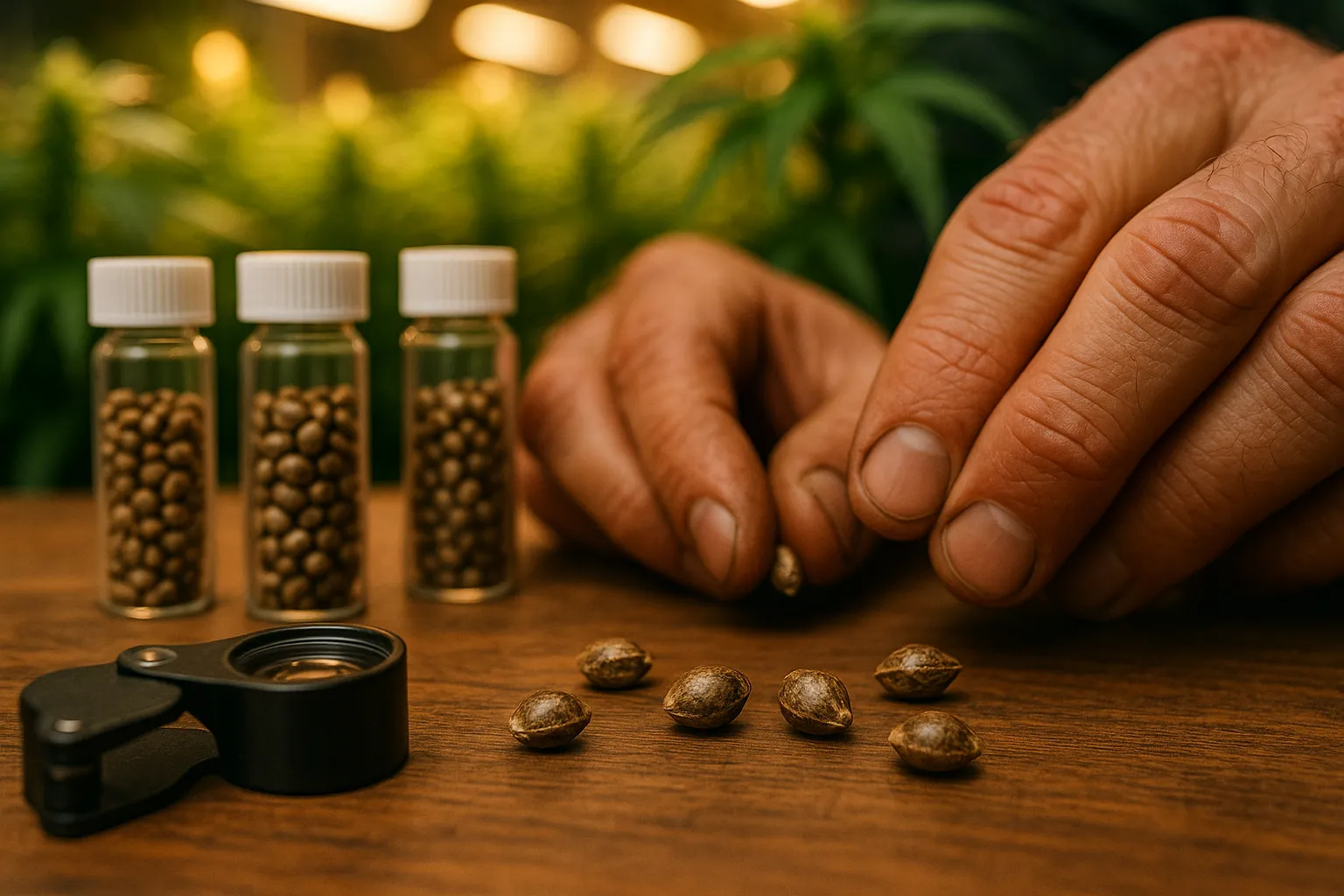
The search for the best cannabis seed genetics is about much more than chasing high THC numbers. Whether you are a home grower or a small craft cultivator, the right genetics determine yield, flavor, potency, and resilience from seed to harvest. This guide explains what makes genetics truly elite and how to select seeds that match your goals, environment, and experience level.
What Makes the Best Cannabis Seed Genetics?
When growers talk about top genetics, they usually mean a combination of stability, performance, and unique character. The following traits define high-quality cannabis genetics:
- Genetic stability: Plants grown from the same strain should look, smell, and perform similarly. Stable genetics reduce surprises and make your grow more predictable.
- Vigor and resilience: Strong genetics grow quickly, tolerate minor mistakes, and resist pests, mold, and environmental stress.
- Desired cannabinoid profile: Not just THC; many premier genetics offer balanced THC:CBD ratios or minor cannabinoids for tailored effects.
- Terpene richness: Aromas like citrus, fuel, fruit, or earth come from terpenes. Elite strains deliver complex, memorable flavor profiles.
- Consistent yield potential: Good genetics translate light, nutrients, and care into dense, high-quality flowers.
Types of Cannabis Seeds and Their Genetic Pros and Cons
Understanding seed types helps you match genetics to your cultivation style and environment.
Regular Seeds
Regular seeds produce both male and female plants. They are favored by breeders and purists because they preserve the full genetic expression of a strain.
- Pros: Strong vigor, ideal for breeding projects, often more genetically diverse.
- Cons: Need to identify and remove males; less efficient for small grow spaces.
Feminized Seeds
Feminized seeds are bred to produce almost exclusively female plants, which carry the resinous buds most growers seek.
- Pros: Maximizes productive plants; simpler for beginners; great for limited plant counts.
- Cons: Lower suitability for advanced breeding; quality depends heavily on the breeder's methods.
Autoflowering Seeds
Autoflower genetics (often from Cannabis ruderalis lineage) switch from vegetative growth to flowering based on age, not light cycle.
- Pros: Fast harvests, discrete plants, ideal for short seasons and balconies.
- Cons: Typically smaller yields and less training flexibility than photoperiod strains, though modern autos have improved significantly.
How to Evaluate Breeders for the Best Cannabis Seed Genetics
The breeder behind a strain is as important as the strain name itself. Look for these signs of quality:
- Transparent lineage: Reputable breeders list parent strains and breeding history, not just catchy names.
- Tested and stabilized lines: Top breeders run multiple generations, stress tests, and grow-outs to lock in traits.
- Independent grower feedback: Reviews, grow diaries, and forum reports help verify advertised characteristics.
- Germination standards: Many premium seed banks publish germination rates and offer reasonable replacement policies.
- Ethical, clean production: Seeds should come from healthy, disease-free mother plants with no contamination.
Matching the Best Cannabis Seed Genetics to Your Goals
There is no single "best" strain for everyone. The ideal genetics depend on what you value most.
For Maximum Yield
If your priority is heavy harvests, look for:
- High-yielding photoperiod hybrids: Often with indica dominance and strong branching.
- Good response to training: Genetics that thrive under topping, low-stress training, or ScrOG setups.
- Longer flowering but big payoff: Some high-yield sativas take longer yet reward patience with impressive volume.
For Potency and Effects
When potency and specific effects matter most:
- Clear cannabinoid data: Seek genetics with lab-tested THC, CBD, and other cannabinoids.
- Effect profiles: Uplifting, relaxing, creative, or sedating effects are strongly tied to both cannabinoids and terpenes.
- Medical needs: For pain, anxiety, or sleep, consider CBD-rich or balanced strains with documented therapeutic use.
For Flavor and Terpenes
Connoisseur-level genetics focus on aroma and taste:
- Terpene-dense cultivars: Look for descriptions emphasizing complex flavor, not just THC.
- Lineages known for taste: Cookies, Gelato, Haze, and fruit-heavy crosses are common examples of terpene-rich families.
- Proper curing potential: Genetics that hold their terpene profile well through drying and curing.
For Challenging Climates or Indoor Micro-Grows
Environment should guide your choice of the best cannabis seed genetics:
- Short, compact plants: Indica-leaning or autoflower strains suit tight indoor spaces and stealth grows.
- Mold- and pest-resistant lines: Essential for humid regions or outdoor gardens.
- Short flowering times: Crucial for northern latitudes and short outdoor seasons.
Practical Tips for Buying and Storing Elite Genetics
Once you know what you want, protect your investment in premium seeds.
- Buy from trusted vendors: Use established seed banks or direct-from-breeder sources with verifiable reputations.
- Check packaging and labeling: Authentic packs include strain name, breeder, and often batch or lot numbers.
- Store seeds correctly: Keep seeds in a cool, dark, dry place in airtight containers to maintain viability.
- Start small, then scale: Test a new strain with a small run before dedicating your entire garden.
Conclusion: Building Your Garden Around the Best Cannabis Seed Genetics
The best cannabis seed genetics combine stability, vigor, and a cannabinoid and terpene profile that suits your personal goals. By understanding seed types, vetting breeders, and aligning strain traits with your environment and desired effects, you can move beyond hype and build a reliable, high-performance genetic library. Thoughtful selection at the seed stage sets the foundation for healthier plants, better harvests, and a consistently rewarding growing experience.