
Best Strains for Desert Climates
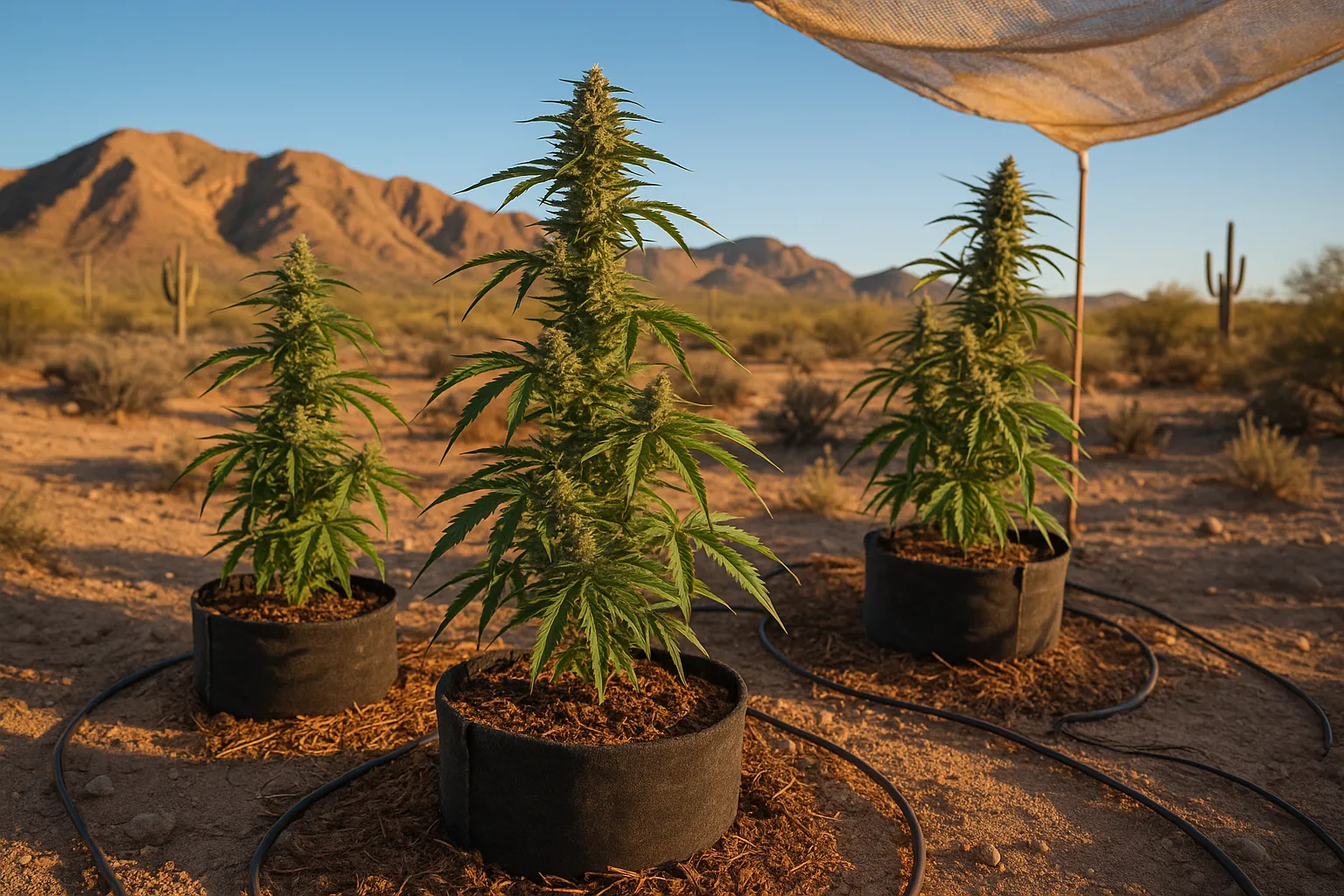
Growing cannabis in hot, arid regions is absolutely possible when you choose the best strains for desert climates and adapt your cultivation style. With the right genetics and smart planning, intense sun and low humidity can become assets instead of obstacles.
Why Strain Choice Matters in Desert Climates
Desert environments are defined by extreme heat, strong sunlight, low humidity, and often big temperature swings between day and night. Not every cannabis variety can handle that stress. The best strains for these conditions typically share several traits:
- Heat tolerance: Able to keep growing and producing resin even when daytime temperatures exceed 32℃ (90℉).
- Drought resistance: Deeper or more efficient root systems that cope better with infrequent watering.
- Mold and pest resistance: Dry air limits mold, but hot climates can invite spider mites and other pests.
- Strong structure: Plants that can handle intense sunlight and occasional desert winds.
In general, sativa-leaning and landrace genetics from hot regions (North Africa, the Middle East, Central and South America) tend to perform better than delicate, cool-climate indica varieties.
Best Strains for Desert Climates: Top Recommendations
The following strain types are known for coping well with heat, intense sun, and low humidity. Specific performance will still depend on your exact location, soil, and grow style.
1. Durban Poison
Durban Poison is a classic sativa landrace from South Africa, adapted to hot, sunny conditions. It is known for:
- Excellent heat tolerance and vigor outdoors
- Tall, airy structure that resists bud rot in dry regions
- Relatively fast flowering for a sativa, useful where fall storms arrive suddenly
This strain does well in full sun with well-draining soil and regular but not excessive watering.
2. Afghan and Hindu Kush Hybrids
While pure indicas from cold mountains can struggle with extreme heat, many Kush hybrids carry traits from dry, rocky regions and adapt well when managed carefully. Look for:
- Robust, compact plants that handle strong sun
- Thick, resinous buds favored in arid climates
- Shorter flowering times that help you harvest before early frosts in high deserts
Ensure good airflow around the canopy and avoid over-fertilizing in high heat.
3. Moroccan or Lebanese Landrace-Inspired Strains
Varieties bred from North African and Middle Eastern landraces are naturally adapted to semi-arid and desert-like conditions. These strains typically offer:
- High resistance to intense UV and dry air
- Medium to tall plants with open, airy buds
- Reliable performance in poor, rocky soils with careful feeding
Many modern seed banks offer hybrids inspired by traditional hash-producing regions, which can be a strong choice for desert growers.
4. Mexican and Central American Sativas
Tropical and subtropical sativas from Mexico, Colombia, and Central America often thrive in hot sun when water is sufficient. These strains usually have:
- Longer flowering times but strong resistance to heat
- Flexible branches that handle wind and training
- Airy flower structure that resists mold, even with occasional irrigation
In high desert regions with shorter seasons, look for modern hybrids that shorten flowering while keeping the heat tolerance.
5. Auto-Flowering Strains for Extreme Heat
In very harsh deserts, auto-flowering strains can be a smart solution. Their advantages include:
- Short life cycle (8 to 12 weeks), allowing you to grow during the mildest part of the season
- Smaller size, which makes shade and wind protection easier
- Flexibility for multiple small harvests instead of one risky long season
Choose autos advertised as outdoor or hot-climate friendly, and schedule them to avoid the peak of summer if possible.
Key Growing Tips for Desert-Strain Success
Picking the best strains for desert climates is only half the equation. Smart cultivation practices will protect your plants from extreme stress.
Soil and Containers
- Use well-draining soil: Sandy or loamy mixes with added organic matter prevent root rot and help retain some moisture.
- Consider fabric pots: They keep roots cooler and improve airflow in hot conditions.
- Mulch heavily: A layer of straw, wood chips, or other organic mulch reduces evaporation and stabilizes soil temperature.
Water Management
- Water deeply but less often: Encourage roots to grow downward rather than staying near the hot surface.
- Water at dawn or dusk: Minimize evaporation and reduce plant shock.
- Use drip irrigation where possible: Efficient, targeted watering is ideal for arid regions.
Sun, Shade, and Wind Protection
- Provide partial shade in peak summer: Shade cloth or strategic placement can prevent leaf burn during the hottest hours.
- Shelter from strong winds: Fences, hedges, or windbreak fabric protect branches and reduce transpiration stress.
- Gradual hardening off: Acclimate young plants to full sun over 7 to 10 days.
Nutrients and Plant Health
- Feed lightly in high heat: Overfeeding can stress roots when temperatures are extreme.
- Monitor for pests: Spider mites and thrips love hot, dry conditions; use regular inspections and preventive sprays if needed.
- Train and prune wisely: Gentle low-stress training improves airflow and light penetration without overexposing buds.
Conclusion
Choosing the best strains for desert climates means focusing on heat tolerance, drought resistance, and robust plant structure. Landrace-influenced sativas, hardy Kush hybrids, and carefully selected auto-flowers can all perform well when paired with smart watering, shading, and soil management. By matching genetics to your environment and applying a few desert-specific techniques, you can turn challenging conditions into a productive, sun-powered grow.