
Best Time to Grow Cannabis in Australia
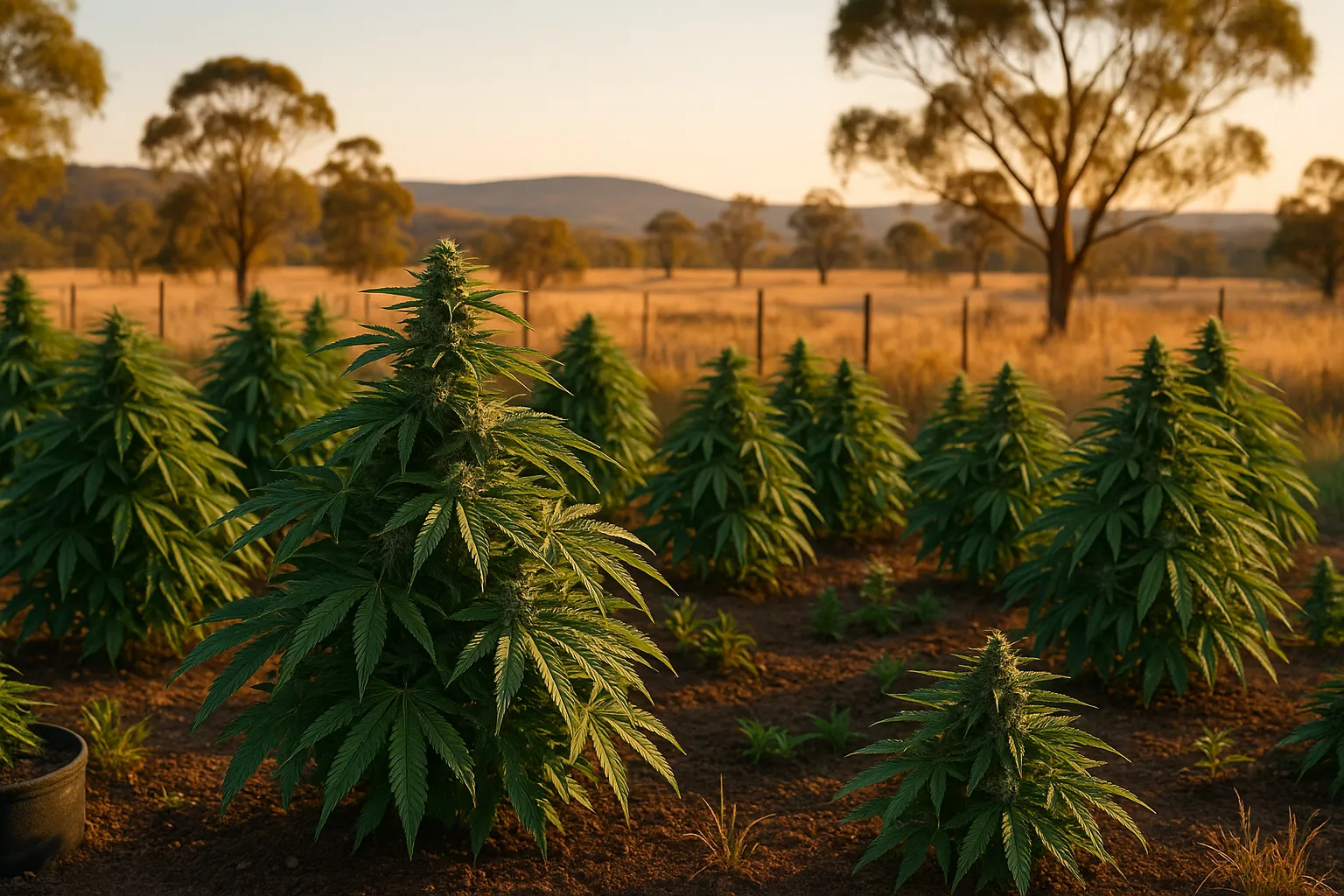
Understanding the best time to grow cannabis in Australia is essential for healthy plants and strong yields. With climates ranging from tropical in the north to temperate in the south, your planting window and strain choice can vary widely. This guide breaks down the key seasons, regional differences, and practical tips so you can plan a successful outdoor or indoor grow.
Understanding the Best Time to Grow Cannabis in Australia
Australia is in the Southern Hemisphere, so cannabis growing seasons are the reverse of Europe and North America. Outdoor plants generally follow this pattern:
- Spring (September to November): Main germination and vegetative growth start.
- Summer (December to February): Rapid vegetative growth, then transition to flowering as days shorten.
- Autumn (March to May): Main flowering and harvest period for most photoperiod strains.
- Winter (June to August): Too cold for most regions outdoors; ideal for planning or indoor growing.
The exact timing depends on your latitude, local microclimate, and the genetics you grow (photoperiod vs autoflower). Below is a region-by-region overview.
Regional Guide: When to Plant Cannabis Around Australia
Southern States: Victoria, Tasmania, Southern New South Wales, South Australia
These areas have cooler, more temperate conditions and shorter summers, so timing is crucial.
- Germination: Late September to October, once frost risk is low.
- Transplant outdoors: October to early November.
- Main vegetative period: November to January.
- Flowering: February to April.
- Harvest: Late March to May, depending on strain maturity.
In colder inland or highland locations, start seeds indoors in early September under lights, then harden off and move outdoors in October. This gives plants a head start before the cooler autumn nights arrive.
Eastern Coastal Regions: Coastal New South Wales and South-East Queensland
These zones enjoy mild winters and long summers, offering more flexibility.
- Germination: Early September to November.
- Transplant outdoors: September to November, after heavy winter rains pass.
- Main vegetative period: October to January.
- Flowering: January to April.
- Harvest: March to May.
Humidity can be high, especially around the subtropical coast, so choose mould-resistant strains and ensure good airflow during late summer and autumn.
Queensland Tropics and Northern Australia
In northern Queensland, the Northern Territory, and northern Western Australia, the climate is tropical with a wet and dry season rather than four distinct seasons.
- Best outdoor season: Early dry season, typically April to August.
- Avoid: Peak wet season (roughly December to March) due to heavy rain, high humidity, and mould risk.
Many growers in the tropics germinate at the end of the wet season, then grow through the dry months when sunlight is strong but conditions are less extreme. Fast-finishing or indica-dominant strains often perform best.
Western Australia and South Australia Coastal Zones
Perth, Adelaide, and surrounding coastal regions share a Mediterranean-style climate with hot, dry summers and cool, wet winters.
- Germination: September to October.
- Transplant outdoors: October to early November.
- Vegetative growth: November to January.
- Flowering: February to April.
- Harvest: March to May.
Dry summer winds and intense sun can stress plants, so consider shade cloth during heatwaves and ensure consistent watering and mulching.
Autoflowers vs Photoperiod: How Timing Changes
Photoperiod Strains
Photoperiod cannabis plants flower based on day length. Outdoors in Australia, they typically:
- Grow vegetatively from spring to mid-summer.
- Begin flowering as days shorten after the summer solstice (late December).
- Finish flowering in autumn (March to May).
For photoperiods, the best time to plant is early to mid-spring so plants can build strong root systems and structure before flowering.
Autoflower Strains
Autoflowers flower according to age, not light cycle, usually finishing in 8 to 12 weeks from seed. This gives more flexibility:
- Southern regions: Sow from October to February, avoiding cold snaps and mid-winter.
- Warm coastal and northern areas: Multiple runs are possible from September to April, provided extreme heat or wet-season storms are managed.
Autoflowers are ideal if your outdoor season is short, or if you want staggered harvests throughout the warmer months.
Key Environmental Factors for Australian Growers
Temperature and Frost
Cannabis prefers daytime temperatures between 20 and 30 degrees Celsius. Night frosts can kill young plants or stunt growth, so wait until the last frost date has passed before planting outdoors in southern and inland regions.
Rain, Humidity, and Mould
Late summer storms and autumn rain can trigger bud rot and powdery mildew. To reduce risk:
- Space plants for good airflow.
- Prune excess foliage and remove dead material.
- Consider earlier-flowering strains in very wet regions.
Sunlight and Site Selection
Choose a location with at least 6 hours of direct sun in winter and more in summer, with some protection from strong winds. In very hot regions, partial afternoon shade can prevent heat stress.
Indoor Growing: Timing and Control
For indoor growers, the best time to grow cannabis in Australia is effectively year-round. With artificial lighting and controlled environments, you can:
- Run continuous cycles regardless of outdoor season.
- Protect plants from extreme heat, storms, and pests.
- Fine-tune light schedules for vegetative growth and flowering.
However, even indoors, local climate affects cooling, humidity control, and energy use, especially during hot Australian summers.
Conclusion
The best time to grow cannabis in Australia depends on your region, climate, and strain choice. In most southern and temperate areas, planting in spring and harvesting in autumn offers the most reliable results. In tropical and subtropical zones, aim for the cooler, drier months and avoid the peak wet season. By aligning your grow with local seasons and conditions, you give your plants the best chance to thrive and produce quality yields.