
Cannabis and Borderline Personality Disorder
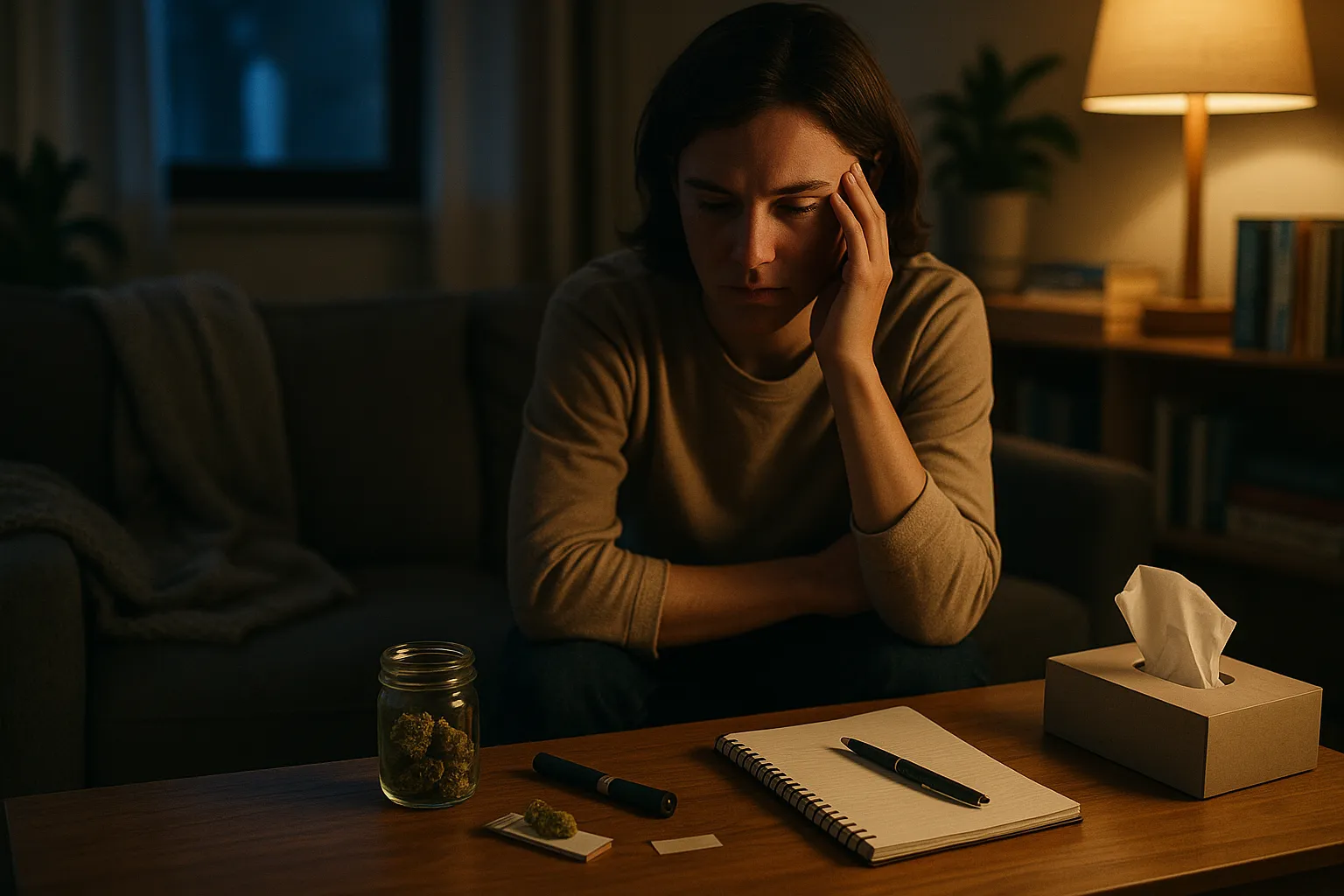
Cannabis and Borderline Personality Disorder (BPD) intersect in complex ways. Many people with BPD turn to cannabis hoping to calm intense emotions, ease anxiety, or improve sleep. Yet the effects can be unpredictable, and research is still developing. This article explains how cannabis may influence BPD symptoms, potential risks and benefits, and how to make safer, more informed choices.
Understanding Borderline Personality Disorder
Borderline Personality Disorder is a mental health condition marked by emotional instability, impulsive behavior, and difficulties in relationships and self image. Symptoms can include:
- Intense mood swings and emotional sensitivity
- Fear of abandonment and unstable relationships
- Impulsive actions, such as reckless spending or substance use
- Chronic feelings of emptiness or identity disturbance
- Self harm or suicidal thoughts and behaviors
People with BPD often experience overwhelming distress and may seek relief through substances, including cannabis, alcohol, and other drugs. This makes understanding the link between cannabis and BPD particularly important.
How Cannabis Affects the Brain in BPD
Cannabis acts on the endocannabinoid system, which helps regulate mood, stress, sleep, appetite, and pain. Two major compounds are:
- THC (tetrahydrocannabinol): The main psychoactive component, which can produce euphoria, altered perception, and sometimes anxiety or paranoia.
- CBD (cannabidiol): A non intoxicating compound being studied for potential calming and anti anxiety effects.
In Borderline Personality Disorder, brain regions involved in emotion regulation, impulse control, and threat detection are often more reactive. Cannabis can interact with these systems in ways that may either soothe or destabilize, depending on the person, dose, and product type.
Cannabis and Borderline Personality Disorder: Possible Benefits
Some people with BPD report that cannabis helps them cope with daily challenges. Potential perceived benefits include:
- Short term emotional relief: Reduced intensity of anger, sadness, or anxiety for some users.
- Improved sleep: Certain cannabis products may help with falling asleep or staying asleep, especially in the short term.
- Pain and tension reduction: Relief from physical pain and muscle tension that often accompany chronic stress and trauma histories.
- Temporary distraction: A sense of escape from intrusive thoughts, self criticism, or rumination.
It is important to note that these effects are highly individual and often temporary. What feels helpful in the moment may create new problems over time, especially if cannabis becomes the main coping strategy.
Risks of Cannabis Use in People with BPD
The combination of cannabis and Borderline Personality Disorder can carry significant risks, particularly with frequent or heavy use.
Worsening Emotional Instability
High THC products can increase anxiety, paranoia, and emotional volatility in some people. For someone already struggling with mood swings and intense reactions, this may:
- Trigger panic or paranoia
- Increase irritability or anger
- Worsen feelings of emptiness or disconnection
Impulsivity and Risk Taking
BPD is associated with impulsive behaviors, and cannabis can lower inhibitions or impair judgment. This may contribute to:
- Risky sexual behavior or substance mixing
- Self harm or suicidal actions taken in the heat of the moment
- Financial or legal problems linked to cannabis use
Dependence and Problem Use
People with Borderline Personality Disorder have higher rates of substance use disorders. Regular cannabis use can lead to:
- Tolerance and needing more to get the same effect
- Withdrawal symptoms such as irritability, sleep problems, and cravings
- Using cannabis to cope with nearly every emotion or stressor
Interaction with Other Mental Health Conditions
BPD often co occurs with depression, anxiety disorders, PTSD, and bipolar spectrum conditions. In some individuals, cannabis may:
- Worsen depressive symptoms or motivation
- Exacerbate anxiety or panic attacks
- Increase risk of psychotic symptoms in vulnerable people
Safer Use Strategies for Cannabis and BPD
If someone with Borderline Personality Disorder chooses to use cannabis, harm reduction strategies can lower risk:
- Start low, go slow: Use the smallest effective dose and avoid rapid increases.
- Prefer lower THC, higher CBD products: These may be less likely to trigger anxiety or paranoia.
- Avoid mixing with alcohol or other drugs: Combinations increase unpredictability and risk.
- Set limits: Decide in advance how often and how much to use, and track use over time.
- Do not use to manage crises: In moments of intense distress or suicidal thoughts, reach out for professional or emergency support instead of using substances.
Evidence Based Treatments for BPD
While research on cannabis and Borderline Personality Disorder is still limited, there are well established treatments that can significantly improve symptoms and quality of life:
- Dialectical Behavior Therapy (DBT): Focuses on emotion regulation, distress tolerance, mindfulness, and interpersonal effectiveness.
- Mentalization Based Therapy (MBT) and Schema Therapy: Help people understand their thoughts, feelings, and relationship patterns.
- Medication for co occurring conditions: Antidepressants, mood stabilizers, or other medications may target specific symptoms like depression, anxiety, or impulsivity.
These approaches build long term skills, whereas cannabis primarily offers short term effects.
When to Seek Professional Help
Consider talking with a mental health or medical professional if:
- Cannabis use is increasing or feels out of control
- You rely on cannabis to manage most emotions or to sleep
- Relationships, work, or school are suffering due to use
- You experience suicidal thoughts, self harm, or severe mood swings
A clinician familiar with Borderline Personality Disorder can help you weigh the pros and cons of cannabis use, explore safer options, and connect you with appropriate therapy and support.
Conclusion
Cannabis and Borderline Personality Disorder interact in ways that can be both appealing and risky. Some people experience short term relief, but there is a real potential for worsened emotional instability, dependence, and interference with proven treatments. Informed decisions, harm reduction, and access to evidence based therapies like DBT offer a safer path toward managing BPD symptoms and building a more stable, fulfilling life.