
Cannabis Science and Technology
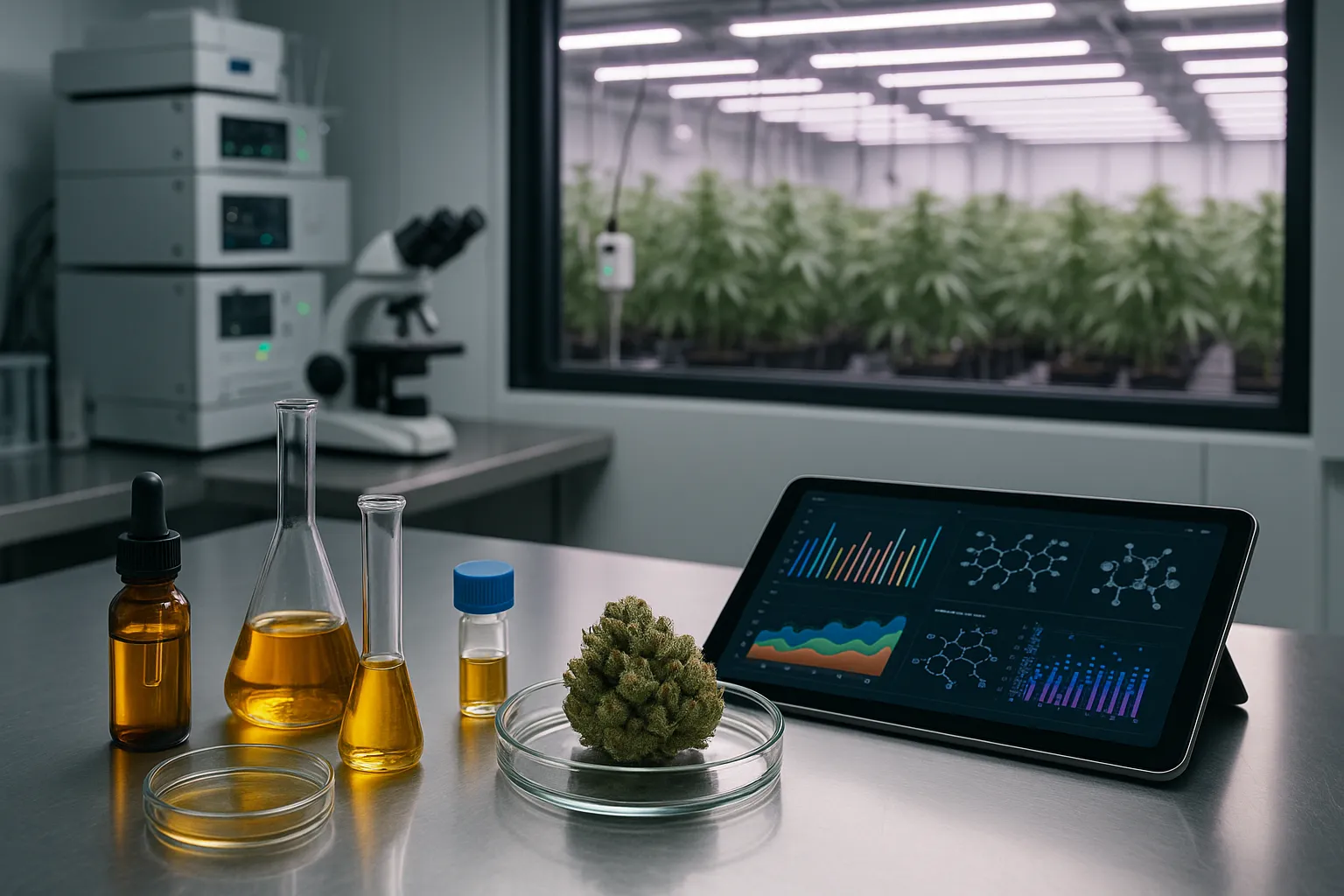
Cannabis science and technology are transforming how we grow, extract, test, and use cannabis. What was once an underground industry is now driven by data, lab research, and advanced engineering. From precise cultivation systems to pharmaceutical-grade formulations, modern cannabis is increasingly defined by evidence and innovation rather than guesswork.
What Is Cannabis Science and Technology?
Cannabis science focuses on understanding the plant, its active compounds, and how they interact with the human body. It draws on disciplines such as botany, pharmacology, chemistry, and medicine. Cannabis technology applies engineering, software, and industrial tools to improve cultivation, processing, safety, and product development.
Together, cannabis science and technology support:
- Standardized, repeatable product quality
- Evidence-based medical applications
- Improved safety for patients and adult-use consumers
- More efficient and sustainable cannabis production
The Science of Cannabis: Cannabinoids, Terpenes, and the Endocannabinoid System
Modern cannabis research focuses heavily on three core areas: cannabinoids, terpenes, and the endocannabinoid system.
Cannabinoids
Cannabinoids are active compounds produced by the cannabis plant. The best known are:
- THC (tetrahydrocannabinol) – responsible for most psychoactive effects; studied for pain, nausea, and appetite stimulation.
- CBD (cannabidiol) – non-intoxicating; researched for epilepsy, anxiety, inflammation, and more.
- Minor cannabinoids such as CBG, CBN, CBC, and THCV – emerging targets for specialized therapeutic uses.
Laboratories use techniques like high-performance liquid chromatography (HPLC) and gas chromatography (GC) to measure cannabinoid profiles with high precision. This allows products to be labeled accurately and dosed consistently.
Terpenes and the Entourage Effect
Terpenes are aromatic molecules that give cannabis its scent and flavor: citrus, pine, diesel, floral, or earthy notes. Common terpenes include myrcene, limonene, pinene, and linalool.
Researchers are exploring the entourage effect, the idea that cannabinoids and terpenes may work together synergistically. For example, certain terpenes may influence how THC feels, potentially affecting mood, alertness, or relaxation.
The Endocannabinoid System (ECS)
The human body has its own network of receptors and signaling molecules called the endocannabinoid system. It helps regulate mood, sleep, appetite, pain, and immune function.
By studying how plant cannabinoids interact with CB1, CB2, and other receptors, scientists aim to design targeted therapies and more predictable cannabis-based medicines.
Cannabis Science and Technology in Cultivation
On the cultivation side, technology is making cannabis production more consistent, scalable, and sustainable.
Controlled Environment Agriculture
Indoor and greenhouse facilities now use:
- Environmental sensors to monitor temperature, humidity, CO2, and light intensity in real time.
- Automated irrigation and fertigation systems that deliver precise nutrient formulas based on plant stage and data analytics.
- LED lighting tuned to specific spectra to optimize growth, cannabinoid content, and energy efficiency.
These tools support consistent yields and reduce the risk of pests and disease, while allowing growers to fine-tune chemotypes for specific cannabinoid and terpene profiles.
Genetics and Breeding
Advances in plant genetics and molecular biology are enabling:
- Stabilized cultivars bred for targeted cannabinoid ratios (for example, high CBD, low THC).
- Lines selected for resistance to powdery mildew, pests, or environmental stress.
- Potential marker-assisted breeding and genomic selection to speed up strain development.
Over time, this should lead to more reliable medical strains and highly specialized chemovars for different therapeutic or recreational needs.
Extraction, Formulation, and Product Innovation
Beyond cultivation, cannabis science and technology drive how plant material is turned into finished products.
Advanced Extraction Methods
Modern processing facilities use methods such as:
- CO2 extraction for clean, solvent-free concentrates.
- Hydrocarbon extraction (butane, propane) to capture full-spectrum oils and flavorful concentrates, with strict safety controls.
- Ethanol and solventless techniques for specific product types and regulatory requirements.
These processes are optimized for purity, potency, and terpene preservation, and rely on precise temperature, pressure, and time controls.
Pharmaceutical-Style Formulation
Formulators use pharmaceutical and food science principles to create:
- Standardized tinctures and oils with defined cannabinoid ratios.
- Edibles and beverages with improved bioavailability and more predictable onset.
- Topicals, transdermal patches, and inhalable products designed for specific use cases.
Nanotechnology and emulsification techniques are being explored to enhance absorption and reduce variability between users.
Quality Control, Testing, and Safety
Regulated markets require rigorous laboratory testing. Key areas include:
- Potency testing for THC, CBD, and other cannabinoids.
- Contaminant screening for pesticides, heavy metals, residual solvents, and microbial pathogens.
- Terpene analysis to support product differentiation and research.
Standardized testing protocols and accreditation help ensure that products are safe and labels are accurate, supporting both consumer protection and clinical research.
The Future of Cannabis Science and Technology
As regulations evolve and research barriers ease, the field is moving toward:
- Larger, well-designed clinical trials for specific conditions.
- Personalized cannabis medicine informed by genetics and biomarkers.
- Integrated seed-to-sale tracking systems using cloud software and IoT devices.
- More sustainable cultivation through water recycling, renewable energy, and data-driven resource management.
Conclusion
Cannabis science and technology are redefining what is possible with this complex plant. By combining rigorous research with advanced tools in cultivation, extraction, formulation, and testing, the industry is moving toward safer, more reliable, and more targeted products. For patients, consumers, researchers, and businesses alike, staying informed about these scientific and technological advances is essential to navigating the rapidly evolving cannabis landscape.