
Full Spectrum vs CBD Isolate
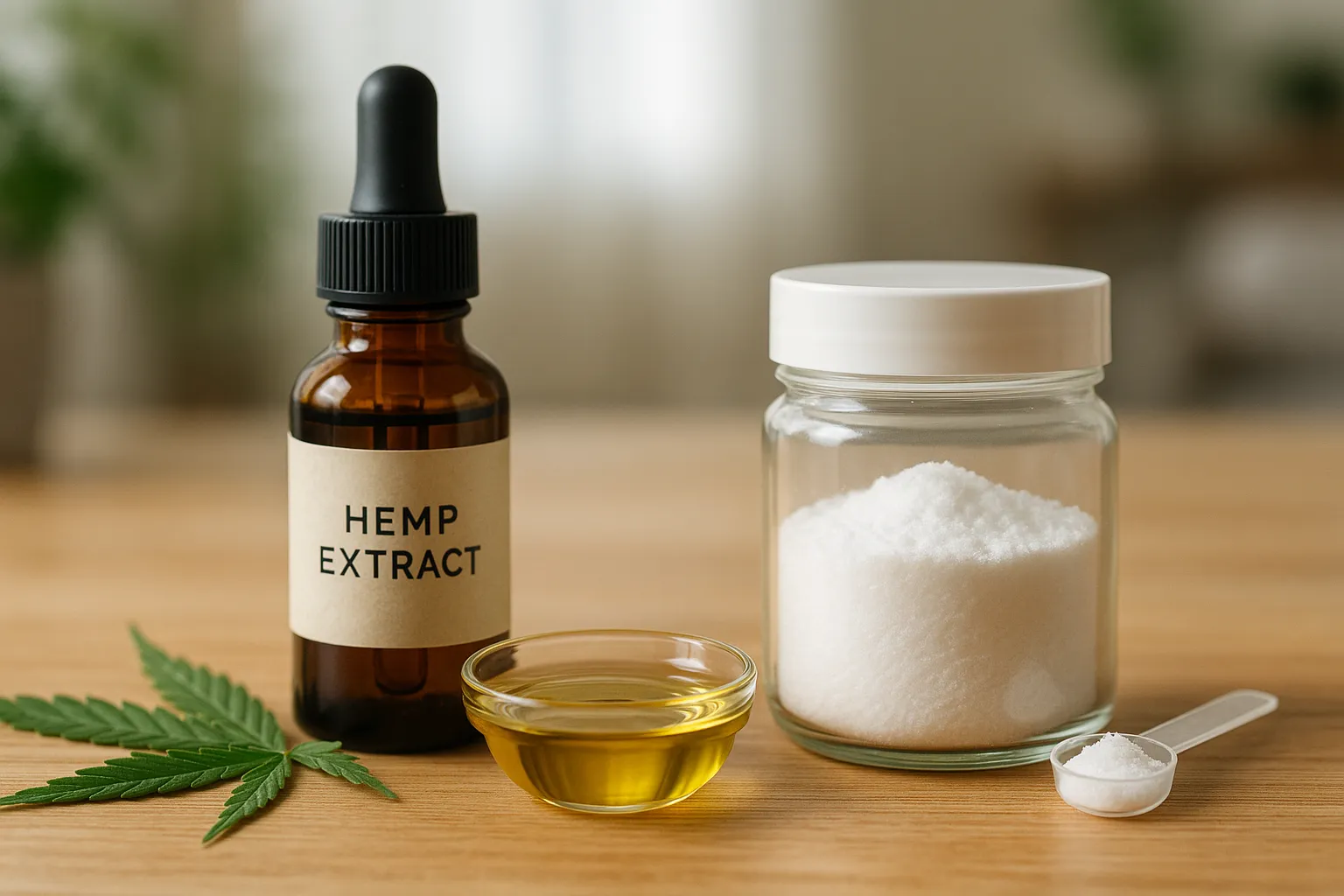
Choosing between Full Spectrum vs CBD Isolate can be confusing, especially if you are new to CBD products. Both forms of cannabidiol offer potential wellness benefits, but they work in different ways and suit different needs. This guide explains the key differences so you can make a confident and informed choice.
What Does Full Spectrum CBD Mean?
Full spectrum CBD is an extract that contains the complete range of natural compounds found in the hemp plant. This includes:
- CBD (cannabidiol) as the primary active ingredient
- Other cannabinoids such as CBG, CBC, and small amounts of THC
- Terpenes, which contribute aroma and may offer additional effects
- Flavonoids and other plant nutrients
Together, these compounds are believed to create the so-called entourage effect, where the combined action of multiple plant components may enhance the overall impact compared to CBD alone.
Potential Benefits of Full Spectrum CBD
People often choose full spectrum CBD for:
- More holistic support: Many users report broader benefits for stress, mood, and general wellness.
- Lower doses: Because of the entourage effect, some individuals find they need less milligrams of CBD to feel an effect.
- More natural profile: It is closer to how the compounds exist in the original hemp plant.
However, full spectrum products typically contain trace levels of THC (within legal limits, usually less than 0.3 percent). While this is not enough to cause a high in most users, it can still be a concern for some situations.
Drawbacks of Full Spectrum CBD
Full spectrum is not ideal for everyone. Possible disadvantages include:
- THC sensitivity: Very sensitive users may experience unwanted effects from trace THC.
- Drug testing risk: Regular use can, in some cases, trigger a positive result on sensitive THC screenings.
- Stronger flavor: The natural hemp taste can be earthy or bitter, which not everyone enjoys.
What Is CBD Isolate?
CBD isolate is the purest form of cannabidiol. During production, manufacturers remove other cannabinoids, terpenes, and plant materials, leaving a crystalline or powdered extract that is typically 99 percent or more CBD.
Advantages of CBD Isolate
When comparing full spectrum vs CBD isolate, isolate offers some clear benefits for specific users:
- Zero THC: Ideal for people who must avoid THC completely, such as those subject to strict workplace drug tests.
- Precise dosing: Easy to measure exact milligram amounts of CBD.
- Neutral taste: Often nearly flavorless and odorless, making it suitable for capsules, gummies, or mixing into foods and drinks.
- Formulation flexibility: Common in products where consistent potency and clarity are important, such as beverages.
Limitations of CBD Isolate
Despite its purity, CBD isolate has some potential downsides:
- No entourage effect: You miss potential synergy from other cannabinoids and terpenes.
- Higher doses for some users: Some people feel they need more milligrams of isolate to achieve the same results they get from full spectrum.
- Less plant complexity: Those who prefer a more natural, minimally processed extract may favor full spectrum or broad spectrum options.
Full Spectrum vs CBD Isolate: Key Differences
To simplify the comparison, consider these core distinctions:
- Composition: Full spectrum includes CBD, minor cannabinoids, terpenes, and trace THC; isolate is pure CBD only.
- Effect profile: Full spectrum may offer broader, more nuanced effects; isolate provides a focused CBD experience.
- THC content: Full spectrum contains legal trace amounts; isolate contains none.
- Taste and aroma: Full spectrum is more hemp-forward; isolate is close to tasteless.
- Use cases: Full spectrum is often chosen for comprehensive wellness; isolate is favored where THC-free and precise dosing are priorities.
How to Choose Between Full Spectrum and CBD Isolate
The best choice depends on your goals, lifestyle, and any constraints you face. Ask yourself the following questions:
1. Do You Need to Avoid THC Completely?
If you are subject to regular drug testing or are highly sensitive to THC, CBD isolate is generally the safer option. Even legal trace amounts of THC in full spectrum products can accumulate with frequent use.
2. What Kind of Experience Are You Seeking?
If you want a more rounded, plant-based experience and are comfortable with trace THC, full spectrum may be more suitable. Many users find it supports general balance, recovery, and relaxation.
3. How Important Is Flavor and Versatility?
For those who dislike strong hemp flavors or want to add CBD to foods and drinks without altering taste, CBD isolate is often more convenient. Full spectrum oils can be better in tinctures or softgels where flavor is less of an issue.
4. Have You Talked with a Health Professional?
If you take medications or have underlying health conditions, consult a healthcare provider before starting any CBD product. They can help you decide between full spectrum vs CBD isolate based on your personal situation and possible interactions.
Conclusion: Finding Your Best CBD Option
Both full spectrum CBD and CBD isolate can play valuable roles in a wellness routine. Full spectrum offers a rich plant profile and potential entourage effect, while isolate delivers pure CBD with zero THC and precise dosing. Consider your goals, your sensitivity to THC, and how you plan to use CBD. Starting with a low dose, tracking how you feel, and adjusting gradually will help you discover which type works best for your needs.