
How Long Can you Drive With Medical Marijuanas QLD
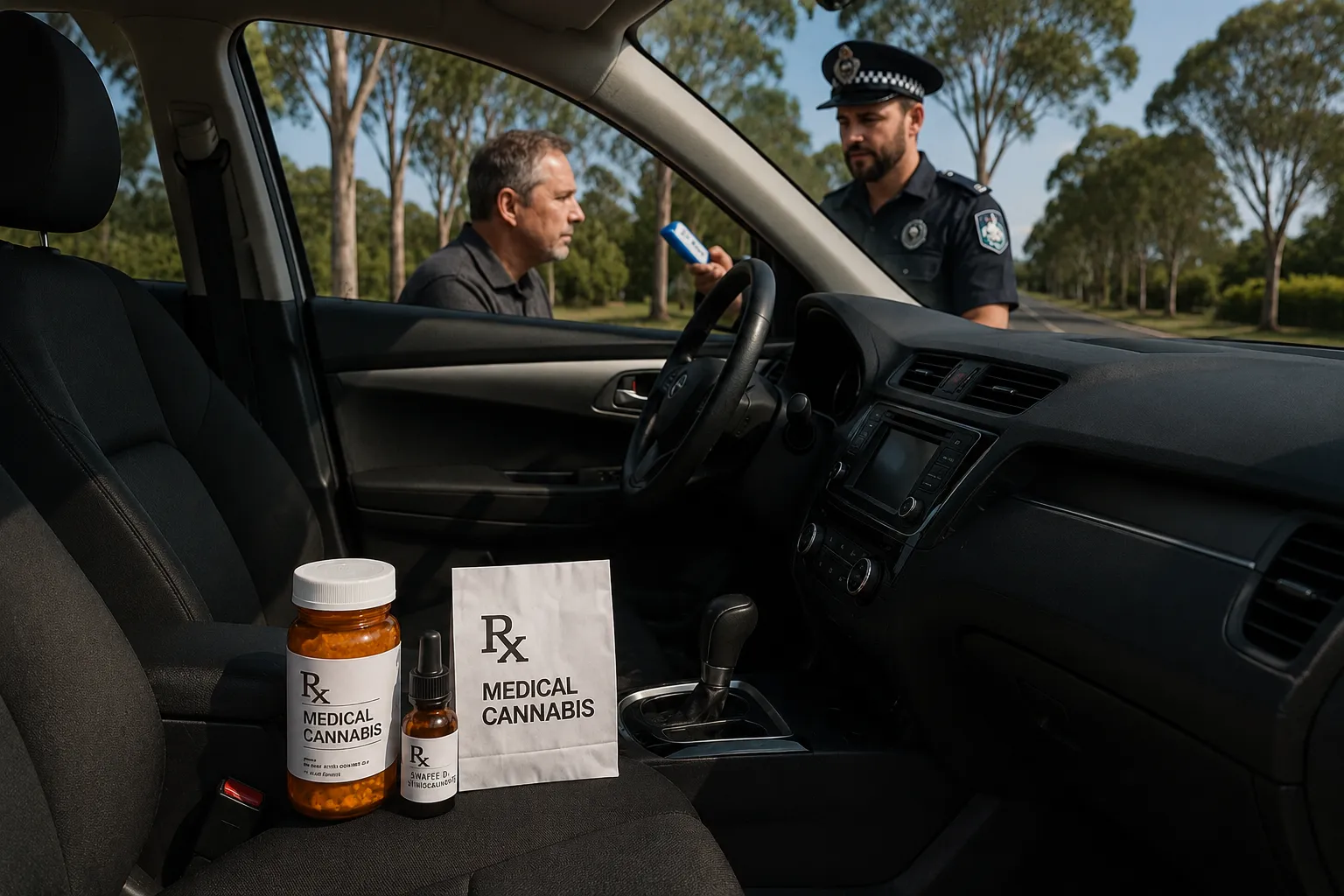
Understanding How Long Can You Drive With Medical Marijuanas QLD is essential for any patient using prescribed cannabis. Queensland has some of the strictest drug driving laws in Australia, and they apply even if your marijuana is legally prescribed for a genuine medical condition.
Medical Cannabis and Driving Laws in Queensland
In Queensland, it is an offence to drive with any detectable level of THC (the main psychoactive component of cannabis) in your system. This applies regardless of whether the THC comes from recreational use or prescribed medical marijuana.
Key points to understand:
- Zero tolerance for THC: If roadside saliva testing detects THC, you can be charged, even if you are not visibly impaired.
- Prescription is not a defence: Having a valid medical cannabis prescription does not protect you from drug driving charges.
- Applies to all drivers: Learners, provisional, and open licence holders are all subject to the same THC rules.
How Long Can You Drive With Medical Marijuanas QLD: Detection vs Impairment
The law focuses on detection of THC, not on whether you feel fit to drive. This distinction is crucial for patients.
Two key concepts:
- Impairment window: The period when cannabis actually affects your reaction time, judgment, and coordination.
- Detection window: The period when THC or its metabolites can still be found in your saliva, blood, or urine, even if you feel normal.
In practice, the detection window is often much longer than the impairment window. That means you may feel fine but still test positive during a roadside drug test.
How Long Can THC Stay in Your System?
There is no single answer that applies to everyone, because THC detection depends on multiple factors:
- Type of product: THC oils, capsules, and flower (for vaporisation) may have different onset times and durations.
- Dose and frequency: Higher doses and long term daily use can lead to THC building up in the body.
- Metabolism and body composition: People with slower metabolism or higher body fat may retain THC longer.
- Method of use: Inhaled products act faster and may clear faster than some oral products, but this is not guaranteed.
Research and clinical experience suggest that THC may be detectable in saliva for:
- Occasional users: Around 12 to 24 hours, sometimes up to 48 hours after use.
- Regular or chronic users: Several days, and in some cases even longer.
Because of this variability, it is impossible to provide a precise safe timeframe for every patient. Any time you use a THC containing product, there is a risk you could test positive if stopped by police.
Driving After CBD Only Medical Cannabis
Not all medical cannabis products contain THC. Some are CBD only (cannabidiol) and are non intoxicating.
- CBD only products with no detectable THC are generally not targeted by roadside drug tests.
- You must still ensure you are not impaired by any medication, including CBD, sedatives, or other prescribed drugs.
- Always check your prescription and product label to confirm whether it contains THC.
If your treatment plan requires driving, you may wish to discuss CBD dominant or THC free options with your prescribing doctor.
Practical Safety Guidelines for Patients
While your doctor can advise on clinical aspects, you are responsible for staying within Queensland road laws. Consider the following practical steps:
- Avoid driving after THC use, especially within the first 24 hours, and longer if you are a regular user.
- Monitor how you feel: If you feel drowsy, light headed, or not quite yourself, do not drive.
- Plan ahead: Arrange alternative transport on days when you need higher doses or when your treatment is being adjusted.
- Keep records: Note when you take your medication and any side effects, so you can discuss timing and dosing with your doctor.
- Review your licence conditions: Some medical conditions and medicines may need to be reported to the licensing authority.
Legal Risks of Driving With Medical Marijuana in QLD
If you are caught driving with THC in your system, penalties can include:
- Fines and court costs
- Licence suspension or disqualification
- Possible criminal record for repeat or serious offences
For many patients, losing a licence can affect employment, family responsibilities, and access to medical care. Understanding the law and planning your treatment around driving needs is therefore critical.
Talking to Your Doctor About Driving and Medical Cannabis
Your prescribing doctor should discuss driving before and during treatment. Helpful topics to raise include:
- Whether a CBD dominant or THC free option could manage your symptoms.
- Adjusting dosing times so you are less likely to need to drive when THC is at its peak.
- How your other medications may interact with medical cannabis and affect alertness.
- Any legal or occupational requirements you must meet, such as commercial driving or safety sensitive roles.
Conclusion
In Queensland, there is no guaranteed safe period after using THC where you can legally drive, because the law is based on detection, not just impairment. If you are asking yourself How Long Can You Drive With Medical Marijuanas QLD, the safest legal answer is that you should not drive at all while THC may be detectable in your system. Work closely with your doctor, understand your medication, and plan your treatment and transport so you can manage your health without risking your licence or safety on the road.