
How to become a medicinal grower
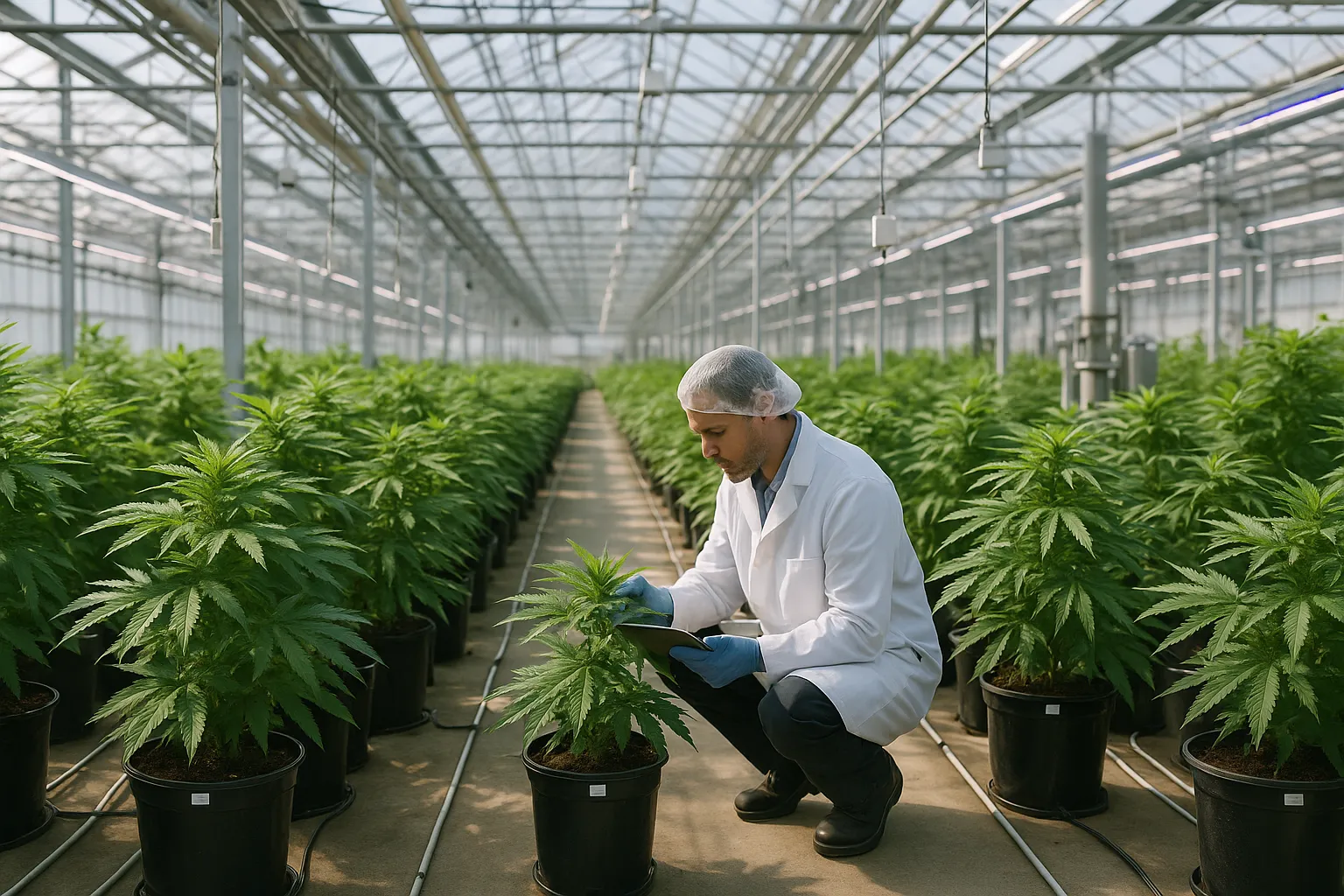
Learning how to become a medicinal grower can open the door to a meaningful career at the intersection of horticulture, health, and science. Whether you are interested in cultivating medicinal herbs, cannabis, or other therapeutic plants, the path involves technical knowledge, legal awareness, and strong professional ethics.
What Does a Medicinal Grower Do?
A medicinal grower is responsible for producing high quality plants used for therapeutic or pharmaceutical purposes. This role can exist in:
- Licensed medical cannabis cultivation facilities
- Herbal medicine farms and botanical gardens
- Research greenhouses and pharmaceutical grow operations
Daily tasks often include:
- Planning and managing crop cycles
- Monitoring plant health, nutrients, and irrigation
- Controlling pests and diseases using approved methods
- Maintaining detailed records for compliance and traceability
- Coordinating harvest, drying, curing, and storage
Essential Skills for Becoming a Medicinal Grower
To understand how to become a medicinal grower, it helps to break down the skills you need into four main areas.
1. Horticultural and Botanical Knowledge
A strong foundation in plant science is critical. Focus on:
- Plant physiology: how plants grow, flower, and respond to stress
- Soil and media: understanding pH, structure, and organic matter
- Nutrient management: macro and micronutrients, deficiency signs
- Propagation: seeds, cuttings, cloning, and tissue culture basics
2. Controlled Environment Cultivation
Most medicinal crops are grown under carefully controlled conditions. You should be comfortable with:
- Lighting systems (HID, LED, photoperiod management)
- Temperature, humidity, and airflow control
- Irrigation systems and fertigation
- Integrated pest management (IPM) strategies
3. Regulatory and Compliance Awareness
Medicinal cultivation is highly regulated. A professional grower must:
- Understand local, regional, and national laws for medicinal crops
- Follow strict security, tracking, and reporting requirements
- Comply with quality and safety standards, including testing rules
- Maintain accurate records of inputs, batches, and harvests
4. Professional and Organizational Skills
Beyond growing plants, you need to work effectively in a regulated business environment:
- Attention to detail and consistency in following protocols
- Time management across multiple crop stages
- Teamwork with trimmers, lab staff, and managers
- Basic data literacy for using cultivation software and logs
How to Become a Medicinal Grower: Step by Step
Step 1: Research Your Local Legal Framework
Before pursuing any formal training, review the laws where you live:
- Is medicinal cannabis or herbal medicine cultivation legal?
- Are there license categories for commercial growers?
- What background checks or registrations are required?
- Are home grows allowed for personal medical use, and under what limits?
This legal research shapes your training choices and career plan.
Step 2: Build a Foundation in Plant Science
There are several ways to gain horticultural knowledge:
- Enroll in horticulture, botany, or agronomy courses at a college
- Take specialized programs in medicinal plant cultivation or cannabis science
- Complete online certifications in greenhouse management or hydroponics
- Volunteer or work at farms, nurseries, or botanical gardens
Step 3: Gain Hands On Growing Experience
Practical experience is essential. Depending on local laws, you can:
- Work as an entry level cultivation assistant at a licensed facility
- Practice growing legal medicinal herbs (such as chamomile, echinacea, or lavender) at home
- Join community gardens or research projects focused on medicinal plants
Document your learning with grow journals, photos, and data on yields and quality. This portfolio can support job applications later.
Step 4: Understand Quality, Safety, and Testing
Medicinal crops must be consistent, clean, and traceable. Learn about:
- Good Agricultural Practices (GAP) and Good Manufacturing Practices (GMP)
- Microbial, heavy metal, and pesticide testing standards
- Post harvest handling: drying, curing, trimming, and packaging
- Standard operating procedures (SOPs) and documentation
Step 5: Develop a Professional Network
Networking can greatly improve your chances of becoming a medicinal grower:
- Attend industry conferences, trade shows, or workshops
- Join professional associations related to medicinal plants or cannabis
- Connect with growers, lab technicians, and compliance officers
- Seek mentors who can provide guidance and references
Step 6: Apply for Roles and Advance Your Career
Most people start in junior roles such as:
- Cultivation technician or grow assistant
- Propagation or nursery technician
- Harvest and post harvest specialist
With experience, you can progress to:
- Lead grower or head of cultivation
- Facility manager or operations director
- Consultant for new medicinal cultivation projects
Is Becoming a Medicinal Grower Right for You?
To decide if this path fits you, consider whether you:
- Enjoy detailed, hands on work with plants and technology
- Are comfortable following strict rules and documentation
- Can adapt to changing regulations and scientific advances
- Value contributing to patient health and evidence based medicine
Conclusion
Understanding how to become a medicinal grower involves more than learning to grow healthy plants. It requires scientific curiosity, respect for regulations, and a commitment to quality and patient safety. By building strong horticultural skills, gaining hands on experience, and staying informed about legal and industry developments, you can create a rewarding career in medicinal cultivation and help supply reliable therapeutic products to those who need them.