
How to growing autoflowers Cannabis in Australia
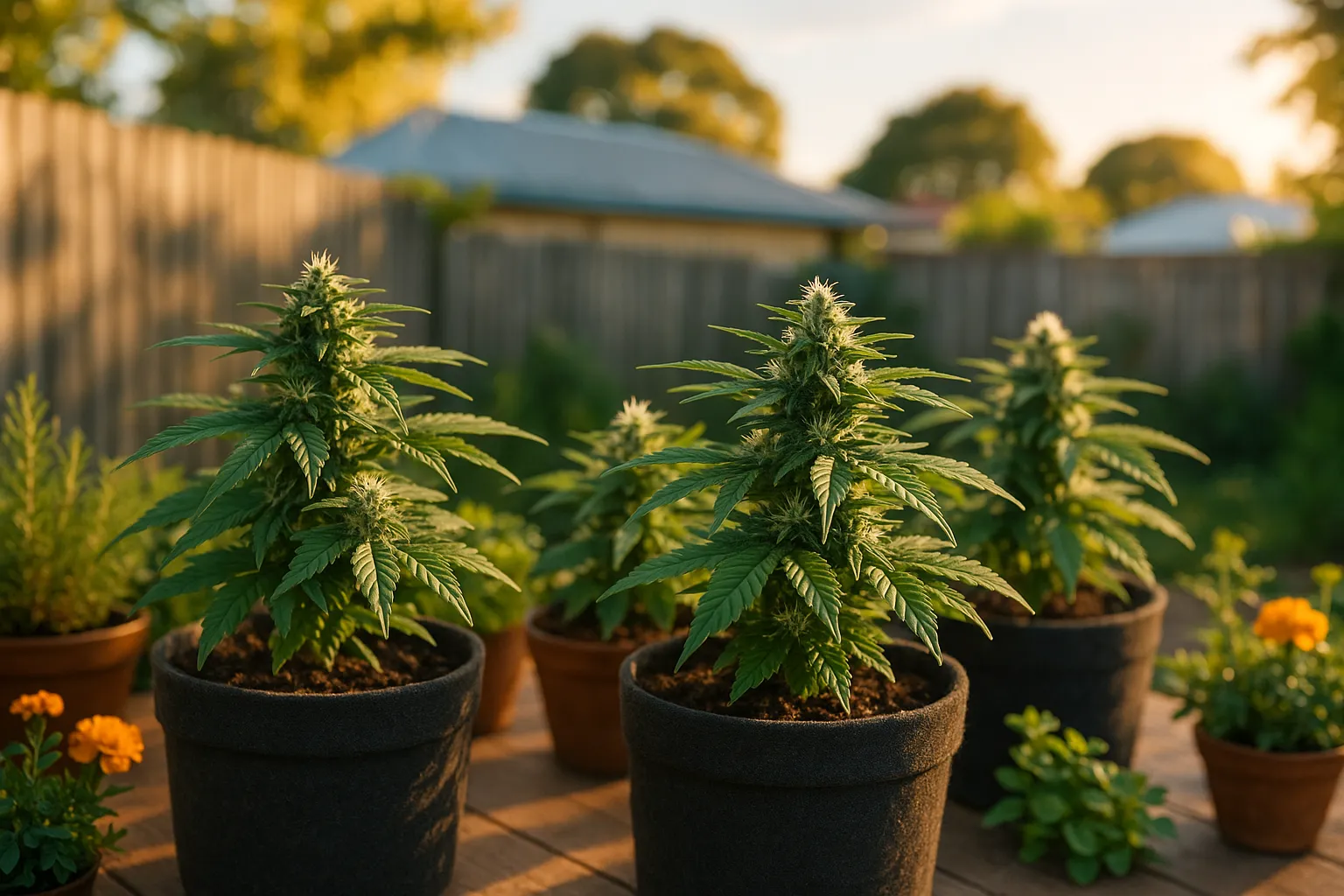
Learning how to growing autoflowers Cannabis in Australia can be rewarding if you match the genetics to local conditions and follow a simple, disciplined routine. This guide walks through climate considerations, seed selection, indoor and outdoor setups, nutrition, and common pitfalls so beginners and intermediate growers can improve their results.
Understanding Autoflower Cannabis and Australian Conditions
Autoflowering cannabis plants flower based on age rather than light cycle. This makes them very suitable for Australia, where intense sun, variable daylight hours, and hot summers can challenge traditional photoperiod strains.
Key traits of autoflower cannabis
- Short life cycle: Most autos finish in 9 to 12 weeks from seed to harvest.
- Compact size: Ideal for balconies, small backyards, and discreet indoor tents.
- Flexible lighting: No need to switch to 12/12 light; they flower automatically.
- Resilience: Many modern autos handle heat and small mistakes better than older genetics.
Australian climate factors to consider
When planning how to growing autoflowers Cannabis in Australia, think regionally:
- Southern states (VIC, SA, TAS, southern NSW, WA south): Cooler winters, mild summers, shorter outdoor season. Autos are best from late spring to early autumn.
- Northern regions (QLD, NT, northern WA): Tropical or subtropical, with wet and dry seasons. Heat, humidity, and mould risk are main challenges.
- Coastal vs inland: Coastal areas are more humid and milder; inland areas can swing from hot days to cold nights.
Choosing Seeds for How to Growing Autoflowers Cannabis in Australia
Good genetics are the foundation of a successful grow. Look for autoflower seeds bred for:
- Heat tolerance: Especially important for QLD, NT, and inland areas.
- Mould resistance: Vital in humid coastal and tropical climates.
- Fast finishing times: 9 to 10 week strains are safer outdoors in cooler regions.
- Desired effects and flavour: Balanced hybrids usually perform best for beginners.
Whenever possible, source from reputable breeders and retailers who provide germination information, flowering times, and climate recommendations.
Indoor vs Outdoor: Best Methods for Growing Autoflowers in Australia
Indoor autoflower growing
Indoor growing offers control over temperature, humidity, and pests, which can be a big advantage in Australia.
- Lighting: Autoflowers do well under 18 to 20 hours of light daily from seed to harvest. Use quality LED grow lights to keep heat manageable.
- Temperature: Aim for 22 to 27 degrees Celsius during the day and no lower than 18 degrees at night.
- Humidity: Keep around 60 to 70 percent for seedlings, 50 to 60 percent for veg, and 40 to 50 percent in late flowering to reduce mould risk.
- Ventilation: An exhaust fan and oscillating fan help control heat and strengthen stems.
Outdoor autoflower growing
Outdoors, the Australian sun can produce dense, resinous buds if managed carefully.
- Best planting times:
- Southern regions: October to March, avoiding frost on both ends.
- Northern regions: Dry season is safer; avoid peak wet season humidity where possible.
- Sun exposure: 6+ hours of direct sun is ideal. In very hot areas, light afternoon shade can prevent heat stress.
- Wind and storms: Use sheltered spots or stakes to protect plants from strong winds and heavy rain.
- Discretion: Compact pots and companion plants (herbs, flowers) help keep grows subtle.
Soil, Nutrients, and Watering for Autoflowers
Choosing the right medium
Autoflowers prefer light, airy soil so roots can expand quickly during their short life cycle.
- Soil mix: Use a high quality potting mix with added perlite or coco for drainage.
- Containers: 10 to 20 litre fabric pots are ideal for healthy root zones and air pruning.
Feeding autoflowers
- Start light: Autos can be sensitive to strong nutrients. Begin at 25 to 50 percent of the manufacturer dose.
- Balanced nutrition: Slightly higher nitrogen in early growth, then more phosphorus and potassium during flowering.
- pH control: Keep water and nutrient solution around 6.0 to 6.5 in soil for proper nutrient uptake.
Watering practices
- Water thoroughly, then allow the top few centimetres of soil to dry before watering again.
- Avoid constantly soggy soil, which can cause root rot and slow growth.
- In hot Australian summers, plants in fabric pots may need daily watering.
Common Mistakes When Learning How to Growing Autoflowers Cannabis in Australia
- Transplant shock: Autos do best when started in their final pot to avoid stunting.
- Overfeeding: Too many nutrients burn leaves and slow growth.
- Ignoring heat stress: Curling leaves, drooping in the midday sun, and pale tops signal excessive heat.
- Poor timing outdoors: Planting too early in cold conditions or too late into autumn reduces yields.
- Overwatering in humid regions: Particularly risky in tropical and coastal areas.
Conclusion
Mastering how to growing autoflowers Cannabis in Australia comes down to matching robust genetics with your local climate, providing a light and well drained medium, and managing heat, humidity, and nutrients carefully. Whether you grow indoors under LEDs or outdoors in the strong Australian sun, autoflowers offer a fast, flexible path to quality harvests when given consistent care and a stable environment.