
How to Harvest Hemp Plants
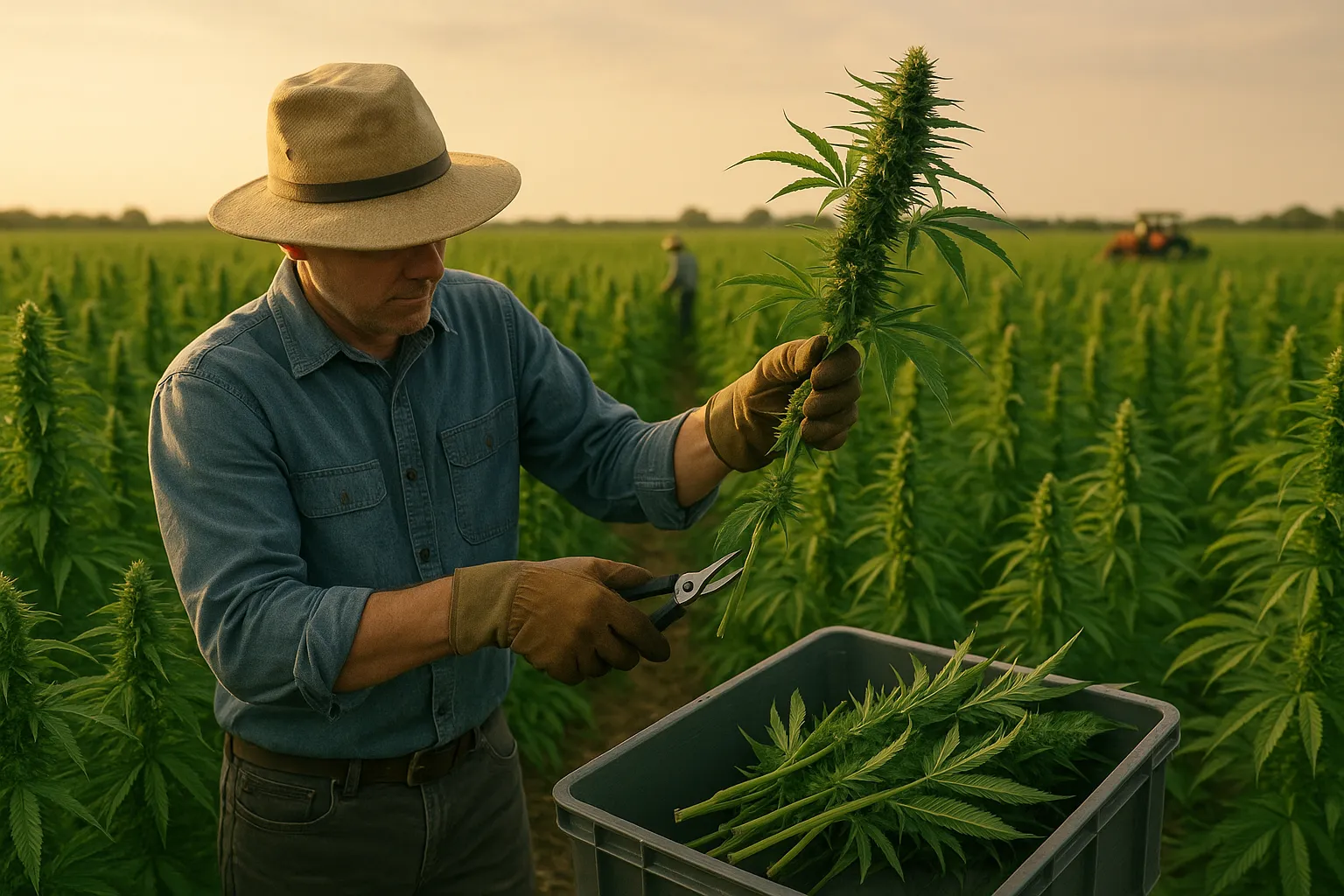
Knowing how to harvest hemp plants correctly is the difference between a premium, high-value crop and a disappointing result. Whether you are growing hemp for CBD, grain, or fiber, timing and technique are critical. This guide walks you through when to harvest, how to prepare, and the best methods to protect quality from field to drying room.
Understanding Your Goal Before You Harvest Hemp Plants
The ideal harvest method depends on your production goal. Before you cut a single plant, be clear about what you are growing for:
- CBD or cannabinoid-rich flowers — focus on resinous buds, terpene preservation, and careful handling.
- Grain or seed — prioritize seed maturity, low shattering, and clean collection.
- Fiber or dual-purpose — aim for stem quality, uniform stalks, and efficient biomass handling.
Each purpose has different maturity indicators and harvest windows, so identify your end product first.
Key Signs It Is Time to Harvest Hemp Plants
There is no single calendar date that fits every field. Instead, use a mix of visual, chemical, and agronomic cues.
For CBD and Flower Production
Monitor the following indicators closely:
- Trichome color — Use a jeweler lens or handheld microscope. Harvest when most trichomes are cloudy or milky with some turning amber. Clear trichomes usually mean immature cannabinoids.
- Pistil color — White hairs (pistils) gradually darken to orange or brown. A common guideline is to harvest when about 60 to 80 percent of pistils have changed color.
- Bud density and aroma — Mature buds feel firm and emit a strong, characteristic scent. Loose, airy buds often indicate they need more time.
- THC compliance — Regularly test to ensure total THC stays below legal limits. In many regions, hemp must be harvested within a specific window after official sampling.
For Grain and Seed Production
When harvesting for seed, watch for:
- Seed color and hardness — Mature seeds are firm, usually darker, and do not dent easily under pressure.
- Bract dryness — Surrounding bracts turn dry and papery.
- Shatter risk — If you see significant seed drop on the ground, you may be slightly late and should harvest quickly to reduce losses.
For Fiber and Biomass
Fiber hemp is often cut earlier than grain hemp:
- Stem development — Harvest around early to mid flowering when stems are tall, strong, and not yet woody.
- Uniform stand — Choose a time when most plants are at a similar growth stage to support consistent fiber quality.
Pre-Harvest Preparation
Good preparation makes harvesting hemp plants smoother and protects your investment.
- Plan labor and equipment — Secure enough workers, cutting tools, and transport. For large fields, arrange for combines or specialized hemp harvesters if needed.
- Check weather forecasts — Aim for several dry days in a row. Wet conditions increase mold risk and complicate drying.
- Prepare drying and storage areas — Clean, ventilated spaces with controllable temperature and humidity are essential, especially for CBD flowers.
- Organize testing and compliance — Confirm you have completed required regulatory sampling and documentation before harvest.
How to Harvest Hemp Plants in the Field
Your cutting method should match scale and crop type.
Hand Harvesting for Premium Flower
For small to medium CBD operations, hand harvesting offers maximum quality control:
- Use clean, sharp shears or pruning tools to cut whole plants or large branches.
- Handle plants by the stems, not the buds, to avoid damaging trichomes.
- Place cut plants gently into bins or hang them directly on racks or lines.
- Avoid stacking wet plants too tightly; this reduces airflow and encourages mold.
Mechanical Harvesting for Grain and Fiber
Larger farms often rely on machinery:
- Grain combines — Modified combines can strip seed heads while leaving most stalks in the field.
- Mower-conditioners or forage harvesters — Common for fiber and biomass, cutting and laying stalks in windrows.
- Safety and adjustments — Hemp fibers are tough and can wrap around moving parts. Regularly inspect and adjust equipment to prevent clogs and damage.
Post-Harvest Handling and Drying
What you do immediately after you harvest hemp plants is just as important as how you cut them.
Drying CBD Hemp
Proper drying preserves cannabinoids and terpenes:
- Hang whole plants or branches upside down in a dark, ventilated area.
- Maintain temperatures around 15 to 21 degrees Celsius and moderate humidity.
- Use fans for gentle air movement, but do not blow directly on flowers.
- Dry until stems snap rather than bend, then trim and cure in sealed containers, burping them regularly.
Handling Grain and Fiber
For seed and stalks, focus on moisture control:
- Seed — Clean and dry seeds quickly to safe moisture levels for storage using aeration or grain dryers.
- Fiber — Allow stalks to ret in the field if required, then bale when moisture is appropriate to avoid mold and spoilage.
Conclusion
Learning how to harvest hemp plants properly means understanding your end use, watching maturity indicators, and managing every step from cutting to drying. With careful timing, the right tools, and disciplined post-harvest handling, you can consistently produce hemp that meets quality standards, regulatory requirements, and market expectations.