
How to Pick good Cannabis Seeds
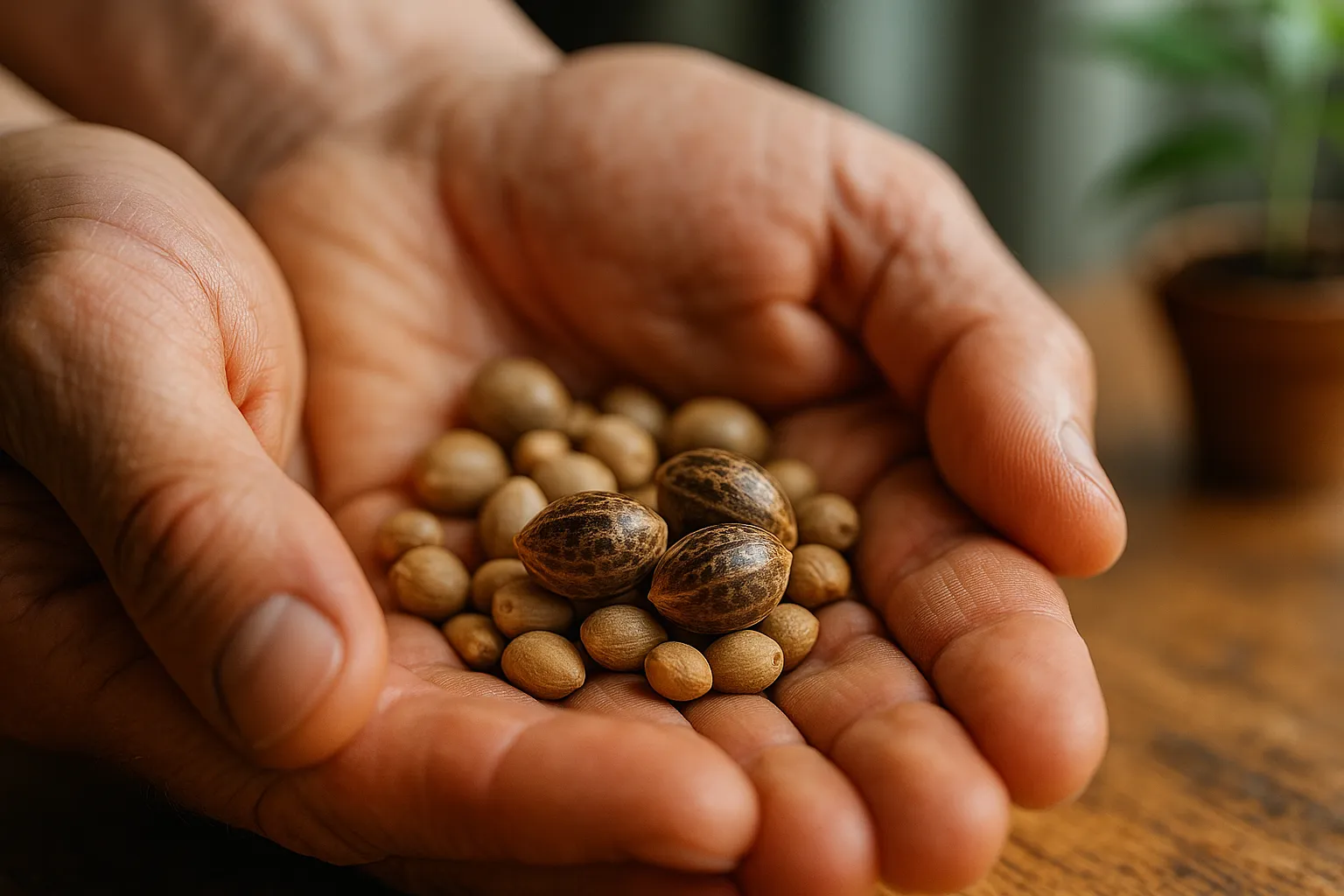
Learning how to pick good cannabis seeds is one of the most important steps in growing strong, healthy plants. The quality of your seeds directly affects germination rates, plant vigor, cannabinoid content, and final yields. This guide walks you through the visual checks, feel tests, and key buying decisions that help you choose seeds with confidence.
How to Pick Good Cannabis Seeds: Key Visual Checks
Before you buy or plant, examine each seed carefully. Good cannabis seeds share several visual traits that indicate maturity and viability.
Color and Maturity
Seed color is one of the easiest indicators of quality:
- Dark brown, gray, or tiger-striped: Usually mature and ready to germinate.
- Light green or pale beige: Often immature, with lower chances of sprouting.
- Glossy, waxy sheen: A slight shine can indicate a healthy outer shell.
Do not rely on color alone, but avoid very pale or translucent seeds, which typically have underdeveloped embryos.
Shell Condition and Shape
Inspect the shell for structural quality:
- No cracks or holes: Damage can let in moisture and pathogens that kill the seed.
- Firm, intact seam: The line where the shell joins should be closed and even.
- Symmetrical, teardrop shape: Healthy seeds are usually rounded on one side and slightly pointed on the other.
- Medium size: Very tiny seeds may be weak; extremely large or misshapen seeds can signal genetic issues.
Physical Tests: Feel, Weight, and the Gentle Squeeze
Once seeds pass the visual test, use simple touch-based checks to further narrow down the best candidates.
Weight and Density
Place a few seeds in your palm and compare:
- Heavier seeds: Often contain a well-developed embryo and more stored nutrients.
- Very light or hollow-feeling seeds: May be empty shells or poorly developed.
While this test is subjective, with practice you will quickly notice the difference between dense, viable seeds and weak ones.
The Gentle Squeeze Test
Use your thumb and forefinger to apply light pressure:
- Good seeds: Feel firm and resist gentle squeezing without cracking.
- Bad seeds: Crush easily or crumble, indicating a weak or dried-out interior.
Never squeeze too hard; the goal is to test resilience, not to break the shell.
Choosing the Right Type of Cannabis Seeds
Beyond physical quality, choosing the right seed type is essential for your growing goals and environment.
Regular vs Feminized Seeds
- Regular seeds: Produce both male and female plants. Suitable for breeding projects but require sexing and removal of males to avoid unwanted pollination.
- Feminized seeds: Bred to produce only female plants, which are the ones that grow resinous buds. Ideal for most home growers and those focused on flower production.
If your priority is simplicity and maximum usable yield, feminized seeds are generally the better choice.
Photoperiod vs Autoflower Seeds
- Photoperiod seeds: Flowering is triggered by changes in light cycle. They offer more control over plant size and training but require careful light management.
- Autoflower seeds: Begin flowering automatically after a few weeks, regardless of light schedule. They are fast, discreet, and beginner friendly, though typically smaller yielding per plant.
Consider your available space, lighting setup, and desired harvest time when deciding between these options.
Genetics, Breeder Reputation, and Storage
Even the best-looking seed is only as good as its genetics and how it has been handled before it reaches you.
Evaluating Genetics and Strain Choice
When you pick cannabis seeds, research the strain and breeder:
- Stable genetics: Look for strains that have been grown and tested over multiple generations.
- Desired effects: Check cannabinoid profile, terpene notes, and typical effects (relaxing, uplifting, balanced).
- Grow difficulty: Some strains are more forgiving for beginners, while others need advanced care.
- Climate suitability: Match strain characteristics to your indoor conditions or local outdoor climate.
Breeder and Seed Bank Quality
Reliable sources dramatically increase your odds of success:
- Choose established breeders and seed banks with consistent reviews.
- Look for clear information on germination rates and breeding practices.
- Avoid unverified sellers or seeds of unknown origin.
Proper Seed Storage Before Planting
Even high-quality seeds can fail if stored poorly. Ideal storage conditions include:
- Cool temperature: Around 6 to 8 degrees Celsius, away from heat sources.
- Dry environment: Use an airtight container with a small desiccant pack.
- Darkness: Store in a dark place to avoid premature degradation.
Under good conditions, cannabis seeds can remain viable for several years.
Conclusion
Knowing how to pick good cannabis seeds means combining visual inspection, simple physical tests, and informed choices about genetics and suppliers. Look for mature, undamaged, dense seeds from reputable breeders, and match seed type to your growing style and environment. With careful selection and proper storage, you give your plants the best possible start and greatly improve your chances of a healthy, productive harvest.