
Is Cannabis Legal in Australia and New Zealand
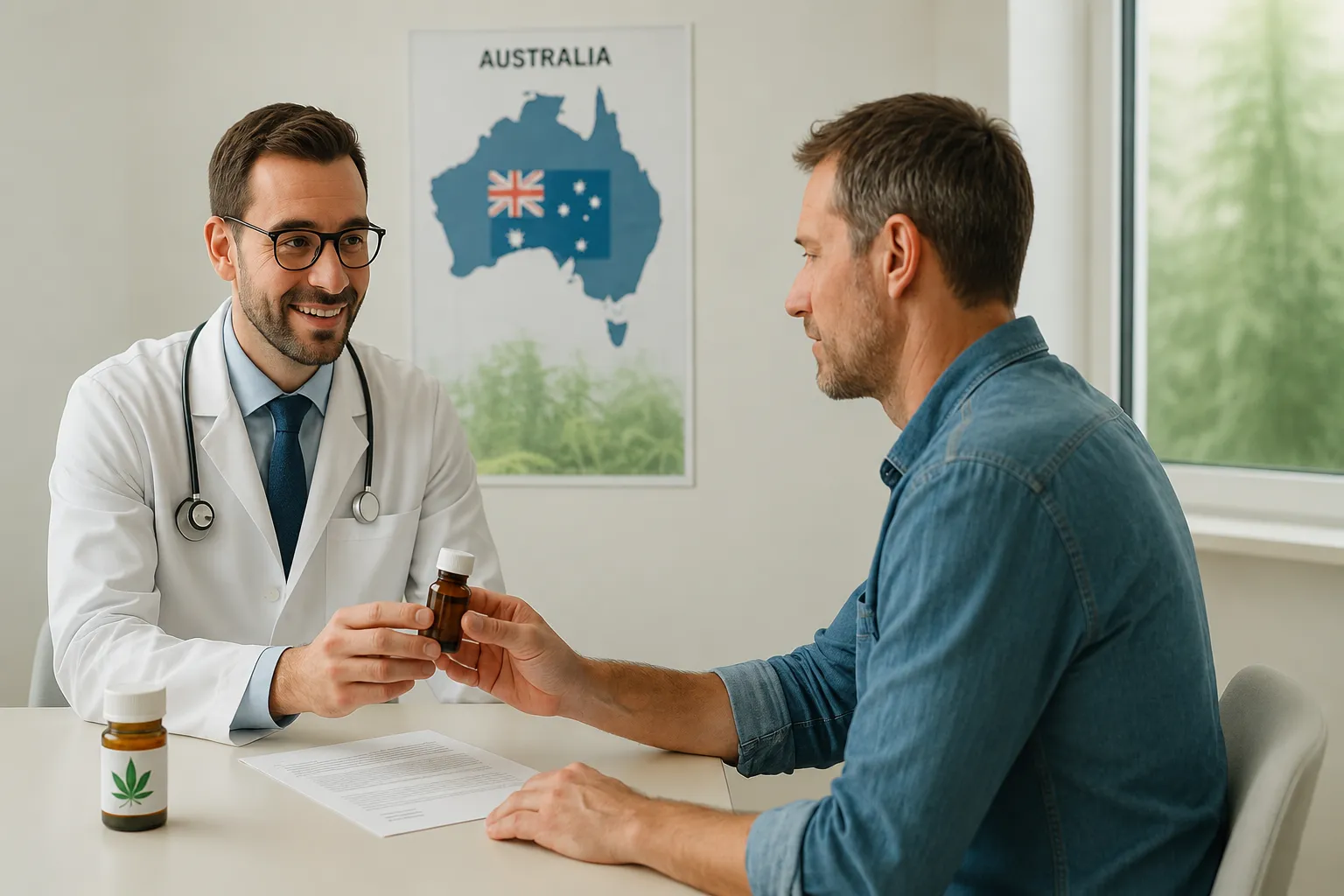
Is Cannabis Legal in Australia and New Zealand is a question many travellers, patients, and locals ask as laws continue to evolve. The answer is not a simple yes or no. Both countries have a mix of federal and state or territory rules, with important differences between medical and recreational use.
Is Cannabis Legal in Australia and New Zealand: The Big Picture
Across both Australia and New Zealand, cannabis remains illegal for recreational use under national law. However, medical cannabis is legal in both countries under strict conditions, and some regions have decriminalised or reduced penalties for personal possession.
- Recreational cannabis: Generally illegal, with limited local exceptions.
- Medical cannabis: Legal under prescription and regulatory approval.
- Hemp products: Widely legal if they meet low THC thresholds.
Cannabis Laws in Australia
Australia has a federal legal framework, but each state and territory sets its own criminal penalties. This creates a patchwork of rules that can confuse both residents and visitors.
Medical Cannabis in Australia
Medical cannabis has been legal at the federal level since 2016. It is regulated by the Therapeutic Goods Administration (TGA) and is usually accessed through the Special Access Scheme or an Authorised Prescriber.
- Who can qualify: Patients with conditions such as chronic pain, epilepsy, multiple sclerosis, chemotherapy-induced nausea, and some mental health conditions, depending on clinical judgment.
- How to access: A doctor must assess the patient, apply for TGA approval if required, and issue a prescription.
- Forms available: Oils, capsules, dried flower for vaporisation, and other regulated products.
Patients must use products as prescribed and cannot legally share them with others. Driving with any detectable THC in your system may still be an offence, even if you have a prescription.
Recreational Cannabis and Decriminalisation in Australia
Recreational cannabis use remains illegal across Australia, but penalties vary significantly.
- Australian Capital Territory (ACT): Adults can possess small amounts and grow a limited number of plants for personal use. Commercial sale and supply remain illegal, and federal law still prohibits cannabis, creating a complex legal environment.
- New South Wales, Victoria, Queensland, Western Australia, South Australia, Tasmania, Northern Territory: Recreational possession is illegal. Some jurisdictions offer diversion programs, fines, or education instead of criminal charges for small amounts, especially for first-time offenders.
Regardless of the state or territory, growing, selling, or trafficking cannabis can result in serious criminal penalties.
Hemp and CBD in Australia
Low-THC hemp products, such as hemp seeds and hemp oil for food, are legal. Over-the-counter CBD products were down-scheduled in 2020, but in practice most CBD still requires a prescription because very few products meet the strict registration requirements.
Cannabis Laws in New Zealand
New Zealand has its own distinct regulatory system, but shares a similar divide between medical and recreational use.
Medical Cannabis in New Zealand
Medical cannabis is legal under the Medicinal Cannabis Scheme introduced in 2020.
- Access: Any doctor can prescribe approved medicinal cannabis products if they consider it clinically appropriate.
- Products: Pharmaceutical-grade oils, capsules, and other regulated formats that meet quality standards.
- Conditions: Commonly prescribed for chronic pain, spasticity, nausea related to cancer treatment, and some neurological conditions.
As in Australia, patients should not assume that a prescription protects them from drug-driving laws, as THC impairment is still an offence.
Recreational Cannabis in New Zealand
Recreational cannabis remains illegal in New Zealand. In 2020, a national referendum on legalising recreational use narrowly failed, so cannabis continues to be controlled under the Misuse of Drugs Act.
- Possession and use: Still a criminal offence, but police have discretion to issue warnings or refer users to health services rather than prosecute, especially for low-level possession.
- Cultivation and supply: Growing or distributing cannabis can lead to significant penalties, including imprisonment.
Hemp and CBD in New Zealand
Industrial hemp with very low THC is legal under licence, and hemp-based foods are available. CBD is classified as a prescription-only medicine, meaning you need a doctor to authorise its use.
Key Differences and Similarities Between Australia and New Zealand
- Medical access: Both countries allow medical cannabis through doctors, but product availability and approval processes differ.
- Recreational status: Neither country has fully legalised recreational cannabis. The ACT in Australia is the main exception with limited personal use allowances.
- Enforcement trends: Both systems increasingly frame low-level use as a health issue, using diversion and discretion rather than automatic prosecution.
Practical Tips for Residents and Visitors
- Do not assume laws are the same across all states, territories, or between the two countries.
- If you are a medical cannabis patient, carry proof of prescription and keep medications in original packaging.
- Never drive after using THC products, even if prescribed.
- Check current local laws before travelling, as regulations can change.
Conclusion
Understanding the question Is Cannabis Legal in Australia and New Zealand requires looking beyond a simple yes or no. Recreational cannabis remains largely illegal, while medical cannabis is legal under controlled frameworks in both countries. Local variations, especially within Australia, make it essential to check the specific rules where you live or intend to visit. Staying informed and following medical and legal guidance is the safest way to navigate this evolving landscape.