
Medical Marijuanas QLD Laws
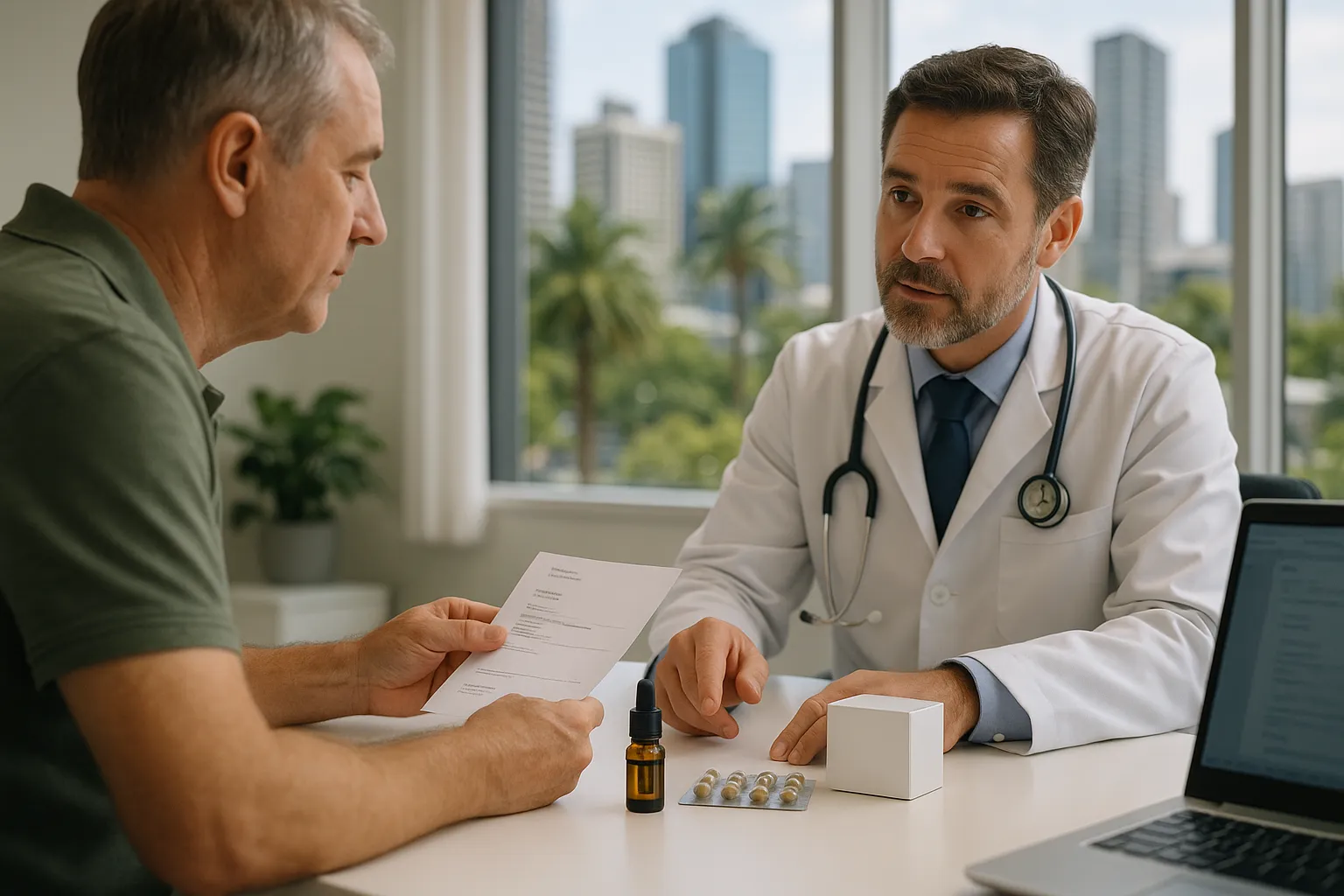
Understanding medical marijuanas QLD laws is essential if you are considering cannabis treatment in Queensland. The legal framework can feel complex, but once you know the basics about eligibility, prescriptions, products, and driving rules, it becomes much easier to navigate safely and legally.
Overview of Medical Marijuanas QLD Laws
In Queensland, medicinal cannabis is legal when prescribed by an authorised health practitioner. It is regulated under both Commonwealth (federal) and Queensland legislation, including:
- Therapeutic Goods Act 1989 (Cth) and Therapeutic Goods Administration (TGA) rules
- Medicines and Poisons Act 2019 (Qld) and related regulations
- Drugs Misuse Act 1986 (Qld) for unlawful possession and supply
These laws distinguish clearly between medicinal cannabis accessed through the health system and recreational cannabis, which remains illegal in Queensland.
Who Can Access Medical Cannabis in Queensland
There is no single list of conditions that automatically qualify a patient. Instead, medical marijuanas QLD laws allow doctors to consider cannabis when it is clinically appropriate and other treatments have not worked or caused unacceptable side effects.
Common conditions where medicinal cannabis may be considered include:
- Chronic non cancer pain
- Cancer related symptoms such as nausea, appetite loss, or pain
- Epilepsy and seizure disorders
- Multiple sclerosis spasticity and pain
- Sleep disorders and some anxiety conditions
Eligibility is assessed on a case by case basis. Your doctor must weigh potential benefits against risks, interactions with other medications, and your medical history.
How Prescribing Works in Queensland
Under current medical marijuanas QLD laws, most prescriptions are written through the Commonwealth TGA Special Access Scheme or Authorised Prescriber pathways.
Role of Your Doctor
Any registered medical practitioner may apply to prescribe medicinal cannabis, but many patients are referred to GPs or specialists with specific experience in this area. Your doctor will typically:
- Take a detailed medical history and review previous treatments
- Explain potential benefits, side effects, and uncertainties
- Select an appropriate product type, dose, and ratio of THC to CBD
- Apply for TGA approval if required
- Provide ongoing monitoring and follow up
Approval and Scripts
Once TGA and, where necessary, state approvals are in place, your doctor can issue a prescription. The script will specify:
- Product type (oil, capsule, flower, etc.)
- THC and CBD content
- Maximum daily dose
- Number of repeats and review timeframe
Medicinal cannabis prescriptions are usually filled at a pharmacy that has arranged supply from a licensed wholesaler or manufacturer.
Legal Products and Forms of Medicinal Cannabis
Medical marijuanas QLD laws allow only products made and supplied under strict quality and safety standards. Common forms include:
- Oral oils and tinctures placed under the tongue or swallowed
- Capsules and soft gels for consistent dosing
- Dried flower for vaporisation using a medical device
- Topical preparations for some localised conditions
Smoking cannabis is not recommended from a clinical or legal standpoint, and recreational products from the black market remain illegal and unregulated.
Possession, Storage, and Proof of Prescription
If you have a valid prescription, you are legally allowed to possess the quantity of medicinal cannabis specified. To avoid legal issues:
- Keep products in original pharmacy packaging with labels intact
- Carry a copy or photo of your prescription or a letter from your doctor
- Store medicines safely, away from children and pets
- Do not share your medication with anyone else
Possession of cannabis without a valid prescription can lead to criminal charges under Queensland drug laws.
Driving and Medical Marijuanas QLD Laws
Driving is one of the most important legal issues for patients using medicinal cannabis, especially products containing THC.
THC and Drug Driving Offences
In Queensland, it is an offence to drive with any detectable level of THC in your system, regardless of whether it is prescribed. Roadside saliva tests check for THC, not CBD.
This means:
- Having a prescription is not a defence to a drug driving charge
- You may test positive even if you feel unimpaired
- Penalties can include fines, licence suspension, and other sanctions
Practical Driving Guidance
To reduce risk:
- Discuss driving with your doctor before starting THC containing products
- Consider CBD only products if driving is essential for work or caring duties
- Avoid driving for several hours after dosing and whenever you feel drowsy or impaired
- Understand that THC can remain detectable for an extended period, especially with regular use
Costs, Insurance, and Workplace Considerations
Most medicinal cannabis products are not subsidised under the Pharmaceutical Benefits Scheme, so patients usually pay full private prices. Costs vary widely depending on product type, dose, and brand.
In workplaces with drug and alcohol policies, you may need to:
- Inform your employer or occupational health provider if safety sensitive duties are involved
- Provide evidence of your prescription if required
- Work with your doctor to manage dosing schedules around work where possible
Conclusion
Medical marijuanas QLD laws create a pathway for patients to access regulated, clinically supervised cannabis treatments while maintaining strict controls on recreational use and driving safety. If you think medicinal cannabis might be appropriate for you, speak with a qualified doctor, understand your legal responsibilities, and always use prescribed products as directed. Staying informed is the best way to benefit from treatment while remaining compliant with Queensland law.