
What is CBD Weed
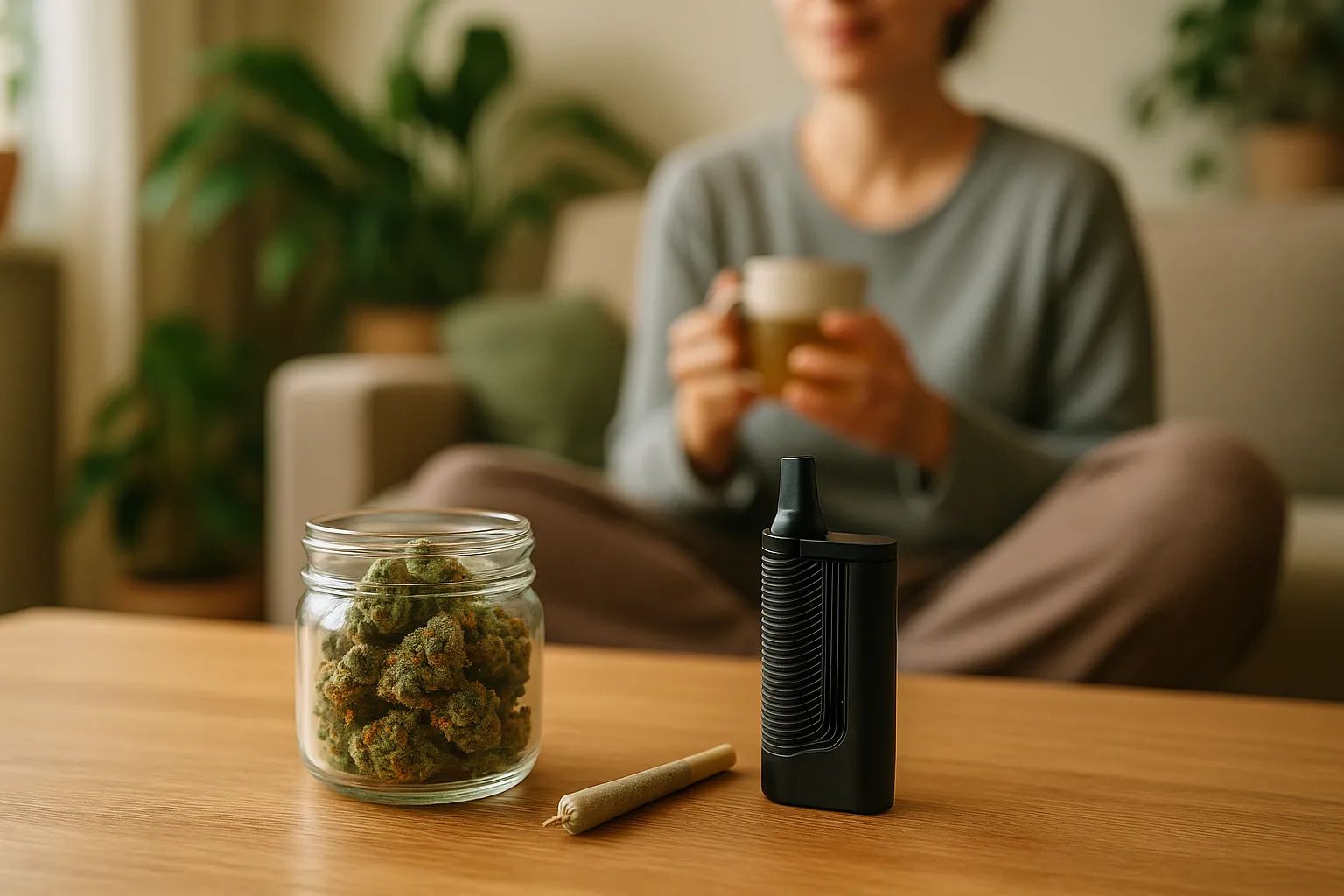
What is CBD weed and why has it become so popular? As more people look for natural ways to relax, manage discomfort, and support overall wellness, CBD-rich cannabis has stepped into the spotlight. This guide explains what CBD weed is, how it differs from regular marijuana, and what you should know before trying it.
What Is CBD Weed Exactly?
CBD weed refers to cannabis flower that is naturally high in cannabidiol (CBD) and very low in tetrahydrocannabinol (THC). CBD and THC are both cannabinoids, active compounds found in the cannabis plant, but they behave differently in the body.
- CBD (cannabidiol): Non-intoxicating, associated with relaxation, balance, and potential therapeutic effects.
- THC (tetrahydrocannabinol): Psychoactive, responsible for the classic marijuana "high".
CBD weed is bred to deliver the aroma, flavor, and ritual of cannabis without strong psychoactive effects. In many regions, CBD flower from hemp must contain less than 0.2 to 0.3 percent THC, depending on local laws.
How CBD Weed Differs from Regular Marijuana
Although CBD weed and traditional marijuana look and smell similar, there are key differences.
- Chemical profile: CBD weed is CBD-dominant with minimal THC, while recreational strains are often THC-dominant.
- Effects: CBD-rich flower tends to feel clear-headed and calming, whereas high-THC flower can feel euphoric, intoxicating, or even overwhelming for some users.
- Legal status: In many countries, hemp-derived CBD flower with very low THC is legal or tolerated, while high-THC cannabis remains restricted.
- Intended use: CBD weed is commonly used for wellness, stress relief, or as a functional aid during the day; THC-heavy cannabis is more often used for recreation or stronger medical needs.
How CBD Weed Works in the Body
CBD interacts with the body through the endocannabinoid system (ECS), a network of receptors and signaling molecules that help regulate mood, sleep, pain perception, and immune responses.
- CB1 and CB2 receptors: THC binds directly to CB1 receptors in the brain, causing intoxication. CBD influences these receptors more indirectly, which is why it does not create a strong high.
- Modulating balance: CBD may support the ECS in maintaining internal balance, also known as homeostasis.
- Entourage effect: When CBD is consumed as whole flower, it comes with other cannabinoids and terpenes. These may work together to enhance or fine-tune the overall effect.
Potential Benefits of CBD Weed
Research on CBD is ongoing, but both scientific studies and user reports suggest several potential benefits.
Relaxation and Stress Support
Many people use CBD-rich flower to unwind without feeling sedated or mentally foggy. It may help take the edge off stress and promote a sense of calm.
Sleep and Rest
CBD weed, especially in the evening, can be part of a bedtime routine. Users often report easier relaxation and improved sleep quality when combined with good sleep habits.
Discomfort and Recovery
Some individuals turn to CBD for mild aches, muscle tension, or post-exercise recovery. Inhaled CBD from flower acts relatively quickly, which can be useful when fast onset is desired.
Focus and Daily Function
Because it is non-intoxicating at typical doses, CBD weed is sometimes used during the day to support focus and mood while remaining clear-headed and functional.
Ways to Use CBD Weed
How you consume CBD flower affects both onset and duration of effects.
- Smoking: Traditional joints or pipes offer fast effects, usually within minutes, but also involve inhaling combustion by-products.
- Vaporizing: Dry herb vaporizers heat the flower without burning it, releasing cannabinoids and terpenes with less harshness than smoke.
- Homemade infusions: CBD weed can be infused into oils or butter and used in cooking, though dosing becomes more complex and onset is slower.
Whichever method you choose, start with small amounts and increase slowly until you understand how your body responds.
Safety, Side Effects, and Quality
CBD is generally considered well tolerated, but it is not completely free of side effects.
- Possible side effects: Dry mouth, lightheadedness, digestive upset, or mild drowsiness in some users.
- Drug interactions: CBD can interact with certain prescription medications. If you take regular medication, consult a healthcare professional before use.
- THC sensitivity: Even low-THC products can affect very sensitive individuals, so check lab results and start slowly.
Always look for CBD weed that has been third-party lab tested for cannabinoid content, pesticides, heavy metals, and microbial contamination. Reputable brands provide certificates of analysis so you know exactly what you are consuming.
Is CBD Weed Right for You?
Understanding what CBD weed is can help you decide whether it fits your lifestyle and wellness goals. If you are seeking the sensory experience of cannabis without strong intoxication, CBD-rich flower may be worth exploring.
Begin with low doses, choose high-quality, tested products, and pay attention to how you feel. When used thoughtfully and responsibly, CBD weed can be a useful tool in a broader approach to relaxation, recovery, and everyday balance.